VoS NEWS DESK | INTERNATIONAL DIPLOMACY | 28 OCTOBER 2026
Iran’s nuclear programme remains a major issue in international security discussions, particularly because of disagreements over inspections, the verification of nuclear material and the future of diplomatic engagement between Tehran and Western governments. The latest appeal from the UN nuclear watchdog has brought these concerns back into focus, with the agency emphasising that it needs sufficient information and access to fulfil its monitoring responsibilities.
Addressing the Security Council, IAEA Director General Rafael Grossi said the agency continued to engage with Iran in an effort to resolve outstanding safeguards questions. One of the principal concerns relates to previously declared nuclear material that includes around 440 kilogrammes of highly enriched uranium. According to reporting by Dawn, the agency has been seeking clarification on these issues for more than five years.
The quantity and enrichment level of uranium are important because nuclear material must be accounted for and monitored under the relevant international safeguards arrangements. Highly enriched uranium can have different potential uses depending on its enrichment level, quantity and intended application. Its presence does not, by itself, establish that a country is developing a nuclear weapon. However, the IAEA must be able to verify the material’s status and ensure that its declared use remains consistent with international obligations.
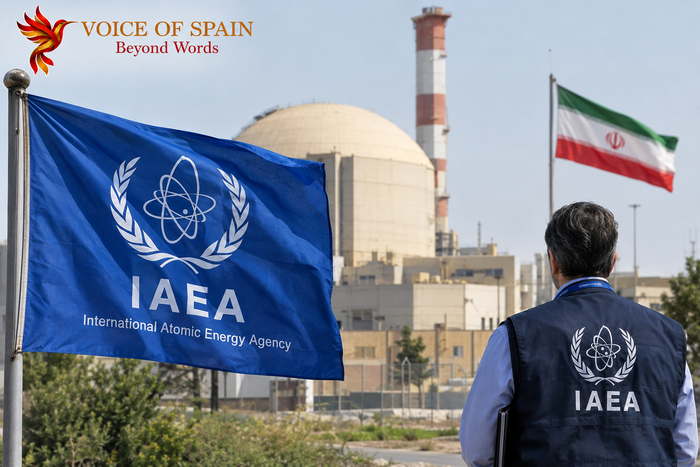
The dispute has become more difficult because of the interruption to inspection activities. Grossi recalled that the agency had withdrawn its inspectors from Iran by the end of June 2025 for safety reasons following the outbreak of military attacks. He told the Security Council that inspectors had been available to return for many months, while the agency continued to seek a way forward with Iranian authorities. The interruption has increased the importance of establishing reliable arrangements for access, information-sharing and the verification of nuclear material.
For the IAEA, the central objective is to establish a verifiable picture of Iran’s nuclear activities rather than rely solely on statements from the parties involved. Inspections and technical assessments allow the agency to compare declarations with available evidence and identify outstanding questions. Without adequate access, the agency may face greater difficulty reaching firm conclusions about the status and location of nuclear material.
The issue also carries wider diplomatic implications. Iran’s nuclear programme has been a source of prolonged disagreement between Tehran and Western governments, with concerns about proliferation, sanctions and regional security shaping international negotiations. Any sustained reduction in monitoring could make it harder for governments to assess developments confidently and could increase mistrust at a time when diplomatic channels remain important.
At the same time, renewed access and cooperation could provide a practical route towards reducing uncertainty. An agreed inspection framework would need to address the agency’s technical requirements, the safety of inspectors and the procedures through which Iran supplies information about its nuclear material. Progress would depend on sustained engagement rather than statements of intent alone.
The next stage will therefore depend on whether Iran and the IAEA can establish arrangements that allow outstanding questions to be addressed through technical verification. The agency’s findings will remain important for governments assessing the programme, while the Security Council and other international actors will continue to monitor the diplomatic consequences of any progress or further deterioration.
VoS STRATEGIC INSIGHT
The Iran nuclear dispute demonstrates why independent verification is essential to international security. Diplomatic assurances can help create space for negotiations, but durable confidence requires access to evidence and the ability to check declared nuclear material. The IAEA’s role is particularly important because its technical findings can help distinguish verified facts from political allegations. Restoring effective monitoring would not resolve every disagreement between Iran and other governments, but it could reduce uncertainty, strengthen the basis for diplomacy and help prevent further escalation.
Source: Dawn; International Atomic Energy Agency; United Nations Security Council.