
VoS NEWS DESK | INTERNATIONAL DIPLOMACY | 28 OCTOBER 2026
The legacy of slavery has become an increasingly prominent issue in discussions between Britain and Caribbean nations, many of which experienced centuries of colonial rule and were deeply affected by the transatlantic slave trade. The debate concerns not only historical recognition but also the long-term economic, social and institutional consequences that Caribbean governments and campaigners say continue to shape their societies.
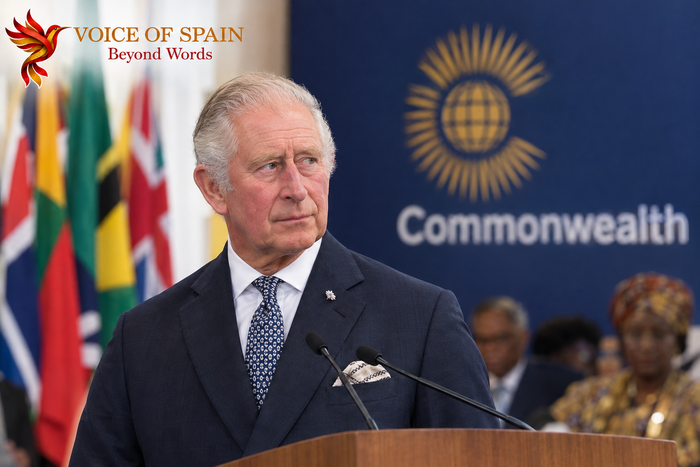
Speaking in the Bahamas at the beginning of his Caribbean tour, King Charles acknowledged what he described as the great suffering and injustices of the past in the region and beyond. His comments marked an important moment in a debate that has repeatedly challenged relations between Britain and several Commonwealth members. The King also recognised that aspects of contemporary Bahamian culture emerged from a history marked by profound suffering.
The royal visit comes ahead of the Commonwealth Heads of Government Meeting, scheduled to take place in Antigua and Barbuda. The gathering brings together leaders from countries that share membership of the Commonwealth, an organisation comprising 56 nations, many of which have historical connections to the former British Empire. Caribbean leaders are expected to use the meeting to press for meaningful discussions about reparations and the lasting consequences of slavery and colonialism.
Reparations remain a complex and contested subject. Supporters argue that the effects of slavery extended far beyond the period in which the trade was legally permitted, contributing to economic inequality, the loss of wealth and structural disadvantages that continued after independence. They believe that addressing these consequences requires more than expressions of regret and could include financial assistance, investment, debt-related measures, educational programmes and the return of cultural artefacts.
Britain’s position, however, has remained opposed to paying financial reparations. The British government has acknowledged the abhorrent nature of the transatlantic slave trade and the continuing strength of feeling surrounding its legacy, while maintaining that it will not make reparations payments. This difference in approach means that the upcoming Commonwealth discussions could involve difficult negotiations over what forms of acknowledgement, cooperation and practical action might be acceptable to the countries involved.
The Commonwealth summit provides a significant diplomatic setting for these discussions because its member states have diverse historical experiences and contemporary priorities. Caribbean governments may seek stronger recognition of historical harm, while Britain and other members will have to consider how the organisation can address sensitive historical questions without losing sight of its present-day commitments to development, education, climate resilience and economic cooperation.
King Charles’s remarks do not, in themselves, amount to a formal apology or an agreement to provide reparations. The distinction is important because acknowledgement of historical suffering and the adoption of specific financial or political commitments are separate matters. Whether the discussions produce concrete outcomes will depend on the positions of participating governments and the willingness of the parties to agree on practical measures.
The debate also reflects a wider international conversation about how countries should address historical injustices. Similar discussions have taken place in relation to colonial rule, the return of cultural objects and the long-term effects of forced labour. These debates raise difficult questions about responsibility across generations, the role of modern governments and the ways historical harm might be addressed through contemporary policy.
As the Caribbean tour continues, attention will remain focused on whether the King’s comments help create a more constructive atmosphere for the summit. For Caribbean nations, the central question is whether recognition of the past can lead to meaningful engagement. For Britain, the challenge will be to maintain diplomatic relationships while defending its stated position on reparations and considering other forms of cooperation.
VoS STRATEGIC INSIGHT
The debate over slavery and reparations demonstrates that historical memory continues to influence international relations. Acknowledging past suffering can help establish a foundation for dialogue, but lasting progress requires clarity about what participating countries want to achieve. Financial compensation, development partnerships, educational initiatives and the preservation of historical heritage may all form part of wider discussions, although no single approach will satisfy every party. The Commonwealth summit will test whether its members can move beyond competing positions towards a respectful and practical conversation about historical responsibility and future cooperation.
Source: Reuters; The Guardian; Sky News.