VoS NEWS DESK | HEALTH | 20 September 2026
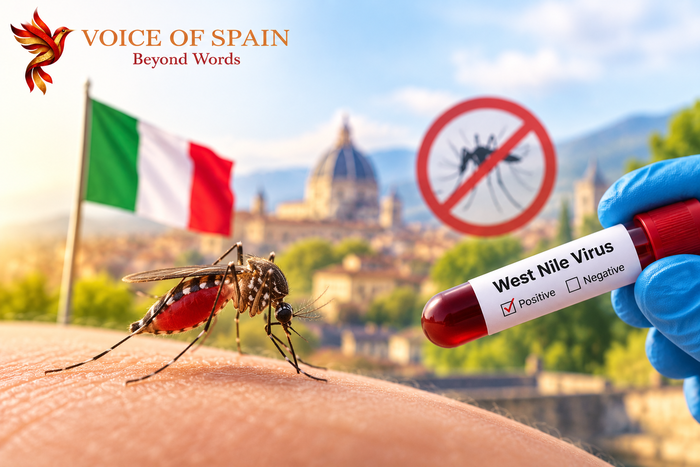
West Nile virus is transmitted primarily through infected mosquitoes, which can acquire the virus from infected birds and subsequently transmit it to humans and other animals. Most infected people do not develop serious symptoms, but some can experience fever and other illness, while a smaller proportion can develop severe neurological disease.
The latest European situation has drawn attention because Italy has recorded more than 650 infections since the beginning of the year. The figure represents roughly half of the cases recorded across Europe, according to reports published on 19 September.
Italian health authorities are observing the virus in a wider geographical area than in previous years. They have also reported that the transmission period is lasting longer, with warmer conditions creating circumstances that can support mosquito activity for a greater part of the year.
The development is part of a wider European pattern in which mosquito-borne diseases are being monitored more closely as weather conditions change. Longer periods of warm temperatures can influence mosquito populations and the length of time during which disease transmission is possible.
Italy is not the only European country dealing with West Nile virus. The Netherlands has also reported deaths linked to the virus in recent weeks, according to its public health authorities.
The virus can circulate naturally between mosquitoes and birds, with humans and horses among the animals that can become infected. Human-to-human transmission is not normally the main route of infection, making mosquito control and prevention measures important tools for limiting exposure.
Public-health authorities generally focus on reducing mosquito exposure, monitoring new infections and identifying areas where transmission is occurring. Preventive measures include avoiding mosquito bites, particularly during periods of high mosquito activity, and reducing mosquito breeding areas around homes and communities.
The expansion of transmission into additional areas can create challenges for health authorities because surveillance systems must identify infections while local mosquito populations and environmental conditions are changing.
The relationship between warmer temperatures and disease transmission is also being studied in the context of broader climate changes. Longer warm seasons can affect the life cycle and geographical range of mosquitoes, potentially influencing where and for how long certain viruses circulate.
However, the number of reported cases can also be affected by testing levels, surveillance systems and the ability of health authorities to identify infections. Reported case numbers should therefore be interpreted within the context of national monitoring systems.
The latest figures underline the importance of continued surveillance across Europe, particularly during periods when mosquitoes remain active for longer than usual.
VoS STRATEGIC INSIGHT
Italy's more than 650 reported West Nile virus cases make it one of the central points of Europe's current outbreak monitoring, with the country accounting for approximately half of the European total reported in recent coverage.
Health authorities have linked the wider and longer transmission season with warmer temperatures and longer warm periods, while other European countries, including the Netherlands, have also reported serious infections and deaths.
The current figures highlight the importance of mosquito surveillance and public-health monitoring, particularly as seasonal conditions change across Europe.
Source: Italian health authorities; European public-health reporting; The Guardian/NPR reporting cited in current coverage.