
Education
 Back to home
.png)
.png)
.png)
.png)
.png)
.png)
.png)
.png)
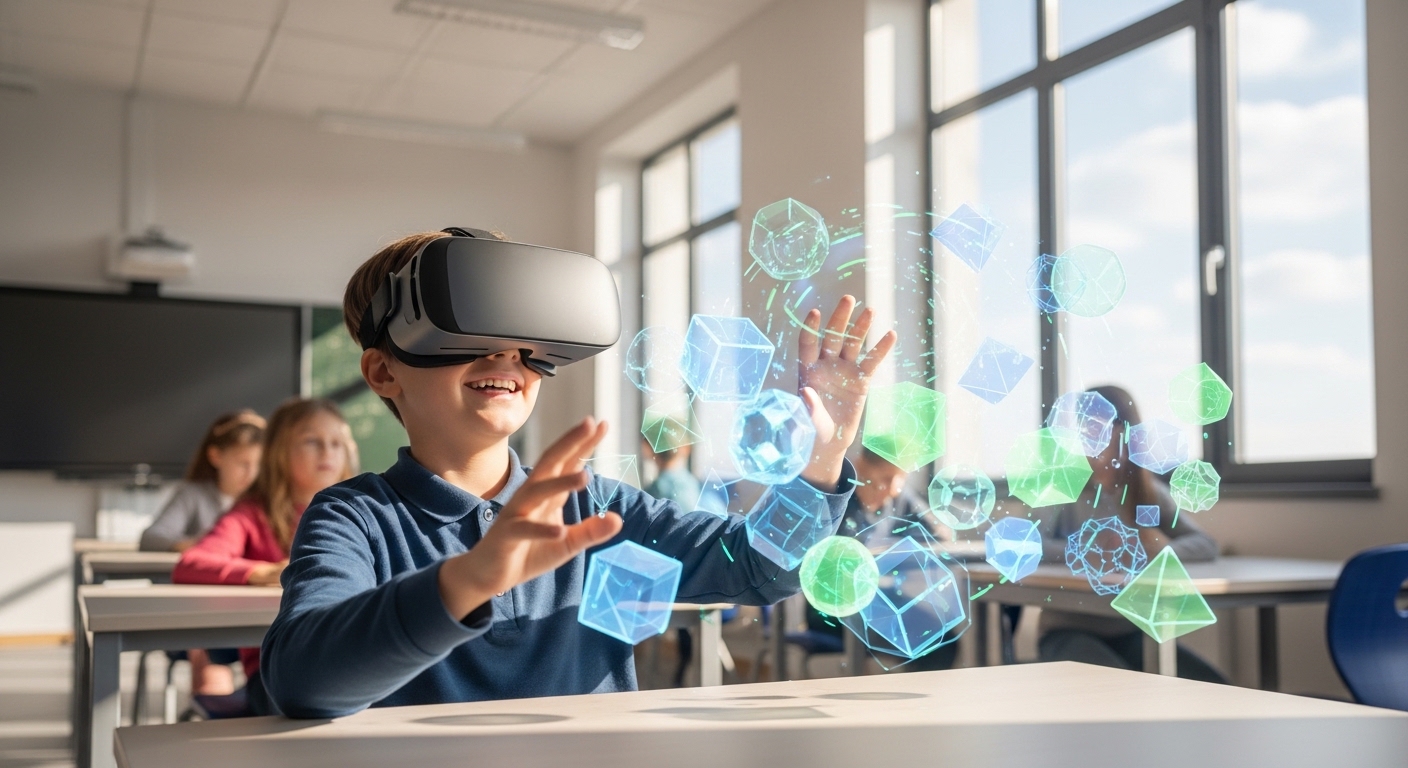
VR-Integrated Classrooms Become Standard in Special Education Across Global Hubs
Virtual Reality (VR) has moved from a luxury tool to a standard requirement in special education programs across major international cities. These "Empathy Classrooms" allow students with neurodivergent conditions to learn in controlled, sensory-friendly environments that adapt in real-time to their emotional needs. By simulating real-world scenarios in a safe space, students are developing social and cognitive skills at a significantly faster rate than traditional methods allowed.
Educational psychologists report that the immersive nature of VR helps in reducing anxiety and increasing focus among learners. The software is designed to provide instant feedback and personalized learning paths, ensuring no student is left behind. This global shift marks the beginning of a truly inclusive education era, where technology is used to bridge the gap between different learning styles and abilities, creating a more equitable future for all.
Enjoyed this article?
Subscribe to get exclusive news and daily updates delivered to your inbox.
Related News
Philippine Ferry Disaster Death Toll Rises to 76 as Dozens o...
Sweden Votes in Knife-Edge Election as Far Right Eyes Histor...
Elena Rybakina Wins First US Open Title and Rises to World N...
Houthis Tighten Grip on Red Sea Shipping Corridor as Yemen O...
US Pours $300 Million Into Quantum Computing as Washington T...
Afghan Woman Deported in First Use of Secretive US ‘Alien Te...
United States Marks 25 Years Since 9/11 With Nationwide Cere...