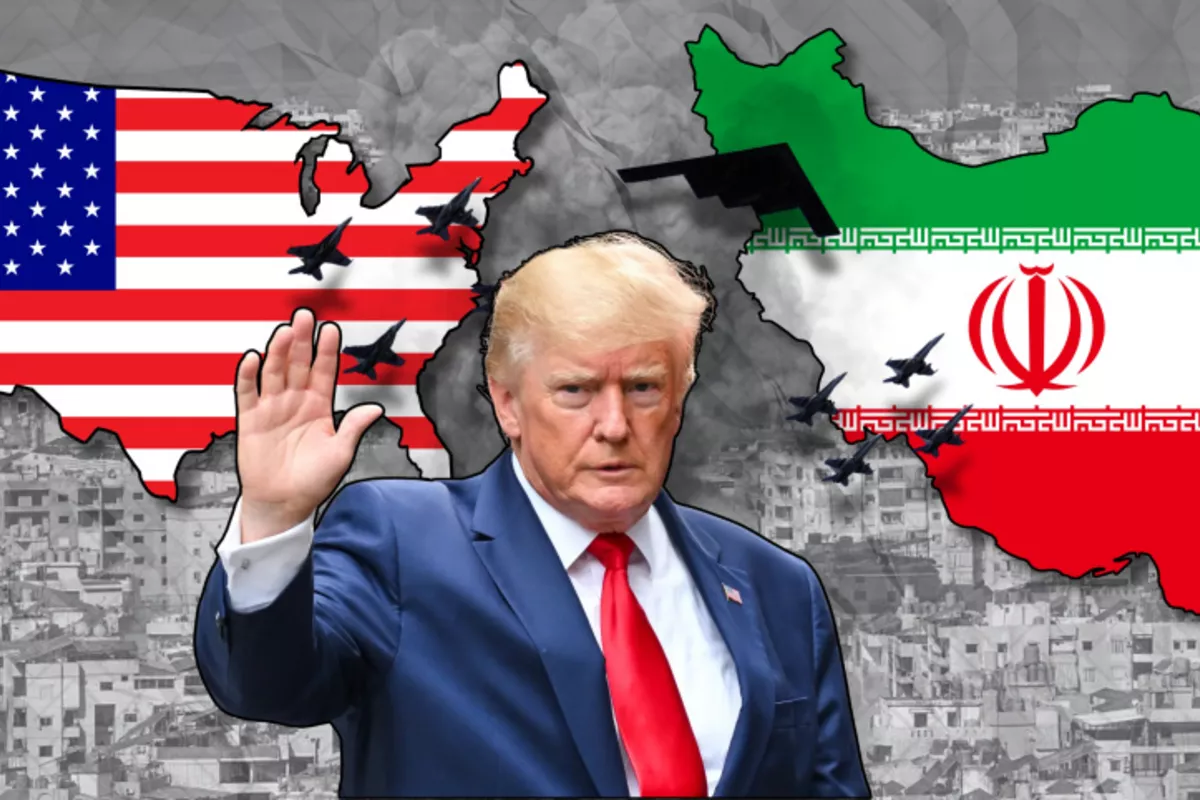
In a landmark diplomatic breakthrough at the Palace of Versailles, United States President Donald Trump and Iranian President Masoud Pezeshkian signed a 14-paragraph Memorandum of Understanding on June 17, 2026, formally ending the military conflict between their nations. The agreement, signed during a dinner hosted by French President Emmanuel Macron, represents the most significant geopolitical development in recent years, bringing an immediate halt to hostilities that have destabilized the Middle East and disrupted global energy markets. The framework commits both nations to a 60-day period of intensive negotiations aimed at achieving a comprehensive, long-term settlement. Under the terms of the accord, Iran has agreed to dilute its stockpile of highly enriched uranium, addressing international concerns about its nuclear program. Simultaneously, the United States has committed to waiving comprehensive sanctions against Iran, enabling the nation to freely sell its crude oil on international markets—a provision expected to have immediate ramifications for global petroleum prices and supply chains. The agreement also mandates the reopening of the Strait of Hormuz, one of the world's most critical maritime chokepoints through which approximately one-third of global seaborne oil passes daily. Trump emphasized that the deal ensures Iran will never acquire nuclear weapons, though analysts note the memorandum's language on this point contains ambiguities that may require clarification during the extended negotiation phase.
The agreement has generated mixed reactions globally. G7 leaders, assembled in Évian-les-Bains for their annual summit, largely endorsed the framework, viewing it as a pathway to regional stability and economic recovery. However, Israeli Prime Minister Benjamin Netanyahu expressed significant reservations, concerned that the accord may embolden Iranian-backed militant groups in Lebanon and Gaza. Within the United States, some Republican lawmakers criticized the deal as insufficiently stringent, arguing that Iran has not made adequate concessions regarding its ballistic missile program. Trump countered these objections by stating it would be "unfair" to deny Iran the right to possess ballistic missiles, a rhetorical shift from his previous hardline stance. The agreement's immediate economic impact has been substantial: oil prices fell approximately 2-3 percent following the announcement, while Asian stock markets surged to record highs. Pakistan's Prime Minister, attending the G7 summit, announced that his government would implement significant reductions in domestic petrol prices, citing the improved global energy situation resulting from the accord. The coming 60 days will prove critical in determining whether this initial framework can evolve into a durable, comprehensive settlement that addresses the underlying tensions between Washington and Tehran.
.png)
.png)
.png)
.png)
.png)
.png)
.png)
.png)