VoS NEWS DESK | UK & EUROPE | 19 September 2026
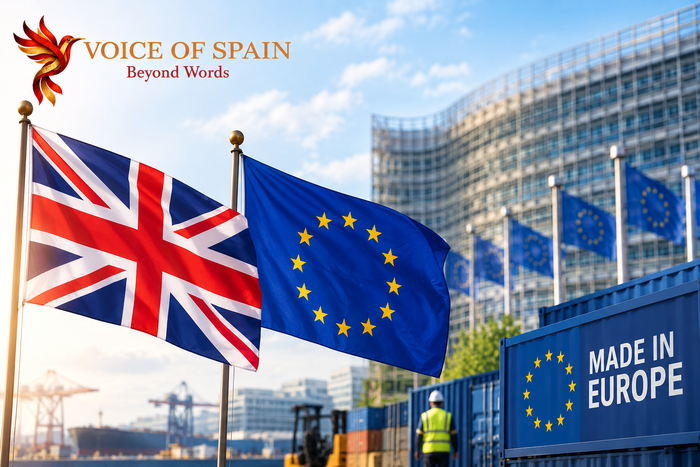
The proposed EU industrial policy is designed to strengthen European manufacturing and reduce dependence on components and products from outside the bloc, particularly China. Under the planned framework, European-made products could receive preferential treatment in areas including public procurement and industrial support.
For the UK, the issue is particularly significant for manufacturing companies that supply the European market. Reuters reported that British automotive suppliers alone export around £15 billion worth of products to Europe each year, making access to the EU market an important issue for the sector.
Healey is expected to argue that British businesses should not face new disadvantages because of the UK's position outside the European Union. The UK government wants arrangements that would allow British companies to participate in relevant parts of the European industrial framework while maintaining close economic and security links with the bloc.
The discussion forms part of London's wider efforts to strengthen relations with the European Union following Britain's departure from the bloc. Since the Labour government came to power in 2024, it has pursued closer cooperation with European countries in areas including technology, defence and manufacturing.
The UK has, however, encountered difficulties in some areas of cooperation. Reuters reported that Britain's attempt to join the EU's SAFE defence funding programme was unsuccessful. Healey is expected to refer to that experience during discussions with EU counterparts and argue for arrangements that provide clearer benefits for British industry.
The planned “Made in Europe” framework is linked to broader European efforts to strengthen domestic production and reduce strategic dependence on foreign suppliers. This has become increasingly important as governments assess supply-chain vulnerabilities involving energy, technology, defence equipment and industrial components.
For British manufacturers, the outcome could affect the conditions under which their products compete in European markets. If British companies are excluded from procurement or support programmes that favour EU-based production, some firms could face additional disadvantages when competing with businesses located inside the bloc.
The discussions also come as the UK and EU continue to consider the future structure of their post-Brexit relationship. Healey is expected to signal that London wants closer economic cooperation, although Reuters reported that any broader “reset” would depend on demonstrating practical benefits for people in the UK.
The issue therefore extends beyond one industrial policy. It involves wider questions about UK-EU trade, manufacturing, supply chains and economic cooperation, with both sides considering how to balance domestic industrial priorities with access to important markets.
VoS STRATEGIC INSIGHT
The UK's request for access to the EU's “Made in Europe” policy reflects the importance of European markets to British manufacturers after Brexit. The immediate issue is whether British companies will be able to participate in parts of a framework designed to favour European production. The outcome of negotiations could influence market access and competitive conditions for UK manufacturers, particularly in sectors closely integrated with European supply chains.
Source: Reuters; UK Government and European Union policy discussions.