VoS NEWS DESK | LATEST | 4 OCTOBER 2026
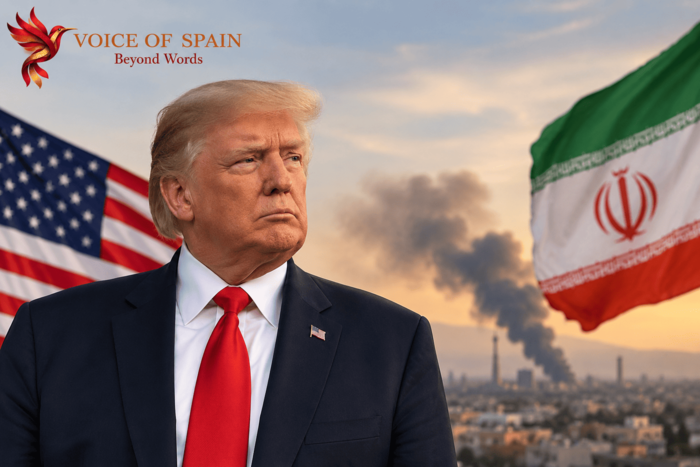
Trump's remarks have renewed attention on the possibility of a diplomatic pathway towards ending the conflict. Although the US president suggested that the war could come to an end relatively soon, he did not provide a detailed timetable or outline the precise conditions that would need to be met before hostilities could stop.
The situation remains complicated by the number of issues involved. Washington has continued to put pressure on Tehran over its nuclear programme, regional military activities and the actions of Iran-aligned groups. Iran, meanwhile, has continued to reject what it regards as unacceptable pressure and has maintained its own demands regarding sanctions, sovereignty and the wider conflict.
The Strait of Hormuz remains one of the most important concerns. The waterway is a critical route for international energy shipments, and prolonged disruption could have consequences far beyond the Middle East. Any major interruption could place additional pressure on oil markets, transport costs and economies that depend heavily on imported energy.
The conflict has already created wider economic uncertainty. International governments and businesses have been closely monitoring energy supplies, shipping routes and the potential consequences of further military escalation. Higher energy costs can eventually affect transport, manufacturing, electricity prices and household expenses in countries far removed from the immediate conflict.
The United States is also facing challenges connected with the Houthi movement in Yemen. The Houthis have remained an important factor in the regional security situation because of their ability to threaten shipping and military interests in and around the Red Sea.
Saudi Arabia has also been preparing for possible military action against the Houthis, adding another dimension to the regional crisis. The possibility of simultaneous tensions in the Gulf and Red Sea means that developments in one part of the region could quickly affect another.
At the same time, Washington has been attempting to manage the economic consequences of the conflict. The G7's decision to release emergency oil reserves demonstrates the extent to which governments are concerned about potential disruptions to global energy markets.
The release of strategic reserves is intended to provide additional supplies and reduce pressure on prices while governments monitor the situation. However, strategic reserves can only provide temporary relief if disruption to major energy routes continues for an extended period.
The diplomatic dimension is equally important. Qatar has previously played an intermediary role between Washington and Tehran, and diplomatic channels remain significant even when public statements from both sides appear confrontational.
For the United States, the challenge is to maintain military pressure without allowing the conflict to expand into a much wider regional war. For Iran, the challenge is to protect its strategic interests while dealing with economic sanctions and military pressure.
The coming days could therefore be crucial. A genuine reduction in hostilities could create an opportunity for negotiations, but renewed attacks or disagreements over the terms of a settlement could quickly reverse diplomatic progress.
The international community is watching particularly closely because the conflict involves not only two major regional and global powers but also several countries and armed groups across the Middle East.
VoS STRATEGIC INSIGHT
The current situation demonstrates that the Iran conflict is no longer simply a bilateral confrontation between Washington and Tehran. Energy security, maritime trade, regional alliances, the Houthi conflict and Iran's nuclear programme are all interconnected.
Trump's suggestion that the war could end soon may indicate that Washington believes military and economic pressure could eventually push Tehran towards negotiations. However, an end to active fighting would require more than a political announcement. The central challenge would be establishing an agreement capable of addressing the underlying disputes and preventing a new escalation.
The Strait of Hormuz will remain particularly important because its stability has implications for the global economy. If diplomatic efforts succeed, restoring predictable shipping through the region could help reduce pressure on energy markets. If tensions intensify, the consequences could extend well beyond the Middle East.
Source: Iran International; Reuters; US government statements; regional officials.