VoS NEWS DESK | INTERNATIONAL | 28 SEPTEMBER 2026
Iran presented its proposal during the United Nations General Assembly in New York, with Iranian officials saying the plan had been communicated to Washington through Qatari mediators. The proposal reportedly linked the reopening of the Strait of Hormuz with broader diplomatic discussions, potentially including negotiations concerning Iran's nuclear programme and other outstanding issues between Tehran and Washington.
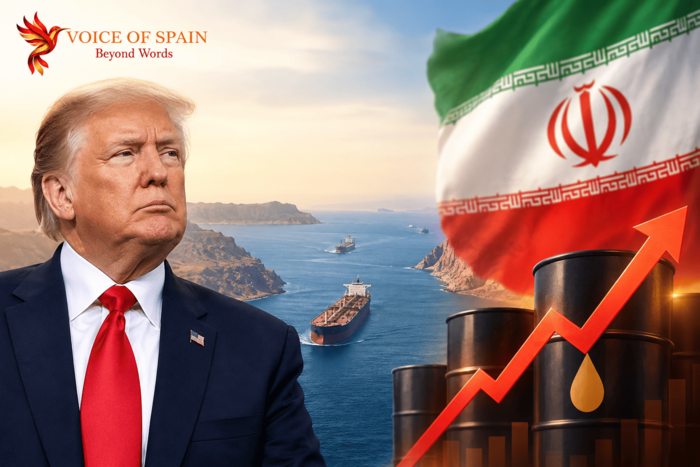
The Strait of Hormuz is one of the world's most important energy corridors, connecting the Persian Gulf with the Gulf of Oman and the wider Arabian Sea. Large quantities of crude oil, petroleum products and liquefied natural gas pass through the waterway, making any prolonged disruption a matter of concern for energy markets and countries dependent on Middle Eastern supplies.
Trump said that he had rejected the Iranian proposal. US officials have argued that Tehran's offer involved conditions including the lifting of sanctions and the release of frozen Iranian assets before broader negotiations could move forward. Iranian President Masoud Pezeshkian, meanwhile, has indicated that Tehran remains willing to discuss its nuclear programme and other issues but has rejected what Iranian officials describe as negotiations conducted under pressure.
The disagreement has come at a particularly sensitive moment for international energy markets. Following Trump's rejection of the proposal, oil prices moved higher as traders assessed the possibility that disruption around the Strait of Hormuz could continue for longer. Reuters reported that crude prices rebounded by more than 1% as markets responded to the uncertainty surrounding the diplomatic situation.
The economic importance of the waterway means that developments between Iran and the United States are being closely monitored well beyond the Middle East. Energy-importing countries, shipping companies and financial markets are all watching for signs of whether the waterway can return to normal operations or whether further disruption could affect global supply chains.
Despite rejecting the initial Iranian proposal, Trump has indicated that additional discussions with Tehran could take place in the coming week. Iranian officials have also continued to stress the possibility of a diplomatic settlement. However, significant differences remain over sanctions, Iran's nuclear programme, regional security and the conditions under which negotiations could proceed.
For now, the situation remains uncertain, with diplomatic contacts continuing alongside wider geopolitical tensions. Any movement towards an agreement could influence both regional security and international energy markets, while a prolonged impasse could maintain pressure on oil prices and shipping routes.
VoS STRATEGIC INSIGHT
The latest developments demonstrate how closely Middle Eastern diplomacy, maritime security and global energy markets are connected. The Strait of Hormuz is particularly significant because disruption there can have consequences far beyond the countries directly involved in the confrontation. The continuation of diplomatic contacts indicates that negotiations remain possible, although the positions of Washington and Tehran remain substantially apart.
Source: Reuters; The Straits Times; United Nations.