VoS NEWS DESK | INTERNATIONAL | 30 SEPTEMBER 2026
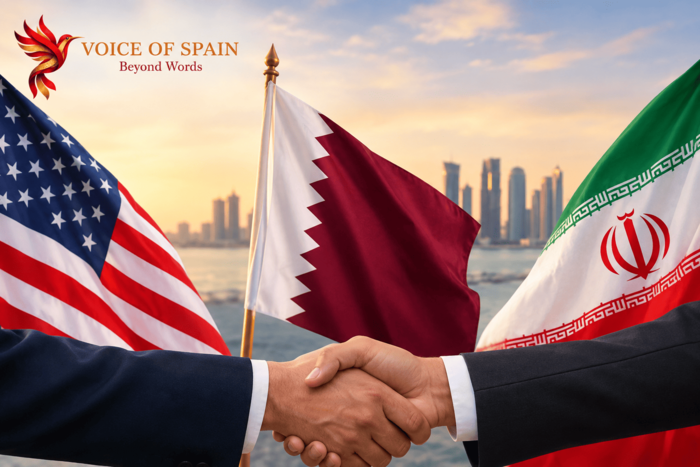
Qatar has emerged as an important intermediary in the latest diplomatic efforts, holding communications with both Washington and Tehran. The initiative comes amid continuing international concern over the consequences of the conflict for regional security, energy supplies and global markets.
According to Reuters, Qatar hopes its shuttle diplomacy can help bridge significant differences between the United States and Iran. The talks have so far not produced a concrete breakthrough, although Iranian President Masoud Pezeshkian has indicated that Tehran remains prepared to negotiate, while rejecting what Iran considers coercive conditions.
A major issue in the discussions is the Strait of Hormuz, one of the world's most important energy shipping routes. Iran has linked the reopening of the waterway to conditions involving the US blockade, sanctions, frozen Iranian funds and the wider conflict.
Earlier discussions explored a phased arrangement under which the Strait of Hormuz could be reopened while Washington would take steps to ease economic restrictions on Iran. Reuters reported that negotiators had been examining possible arrangements involving the reopening of the strait and the lifting of economic measures.
The diplomatic effort has also been complicated by differing positions over Iran's nuclear programme. Washington has continued to seek restrictions on Iran's nuclear activities, while Tehran has maintained that any agreement must respect its stated national conditions.
US President Donald Trump has publicly rejected reports that Washington was prepared to offer major sanctions relief and release frozen Iranian funds in exchange for Iranian concessions. Qatar's mediation nevertheless remains active, with officials continuing to communicate between the two governments.
The conflict has already had wider economic consequences. Disruptions to oil flows have contributed to higher energy prices, while uncertainty surrounding the Strait of Hormuz has increased concerns among governments and businesses dependent on international energy shipments.
The diplomatic activity also comes as the United States continues economic pressure on Iran. Washington has imposed additional sanctions targeting individuals and organisations linked to Iranian arms procurement and has taken measures intended to manage the impact of the conflict on global oil supplies.
For Qatar, the mediation effort represents another significant diplomatic role in a region where it has previously acted as an intermediary in difficult negotiations. The country maintains relationships with both Western governments and regional actors, allowing it to communicate with parties that have limited direct contact.
Despite the latest diplomatic contacts, major disagreements remain unresolved. The future of the nuclear programme, sanctions, the Strait of Hormuz and the wider military confrontation are all interconnected, making a comprehensive settlement difficult.
The coming days could therefore be important for determining whether the current diplomatic channel develops into a formal agreement or remains an attempt to prevent further escalation.
VoS STRATEGIC INSIGHT
The Qatar-led diplomatic effort places negotiations, the Iranian nuclear issue and the Strait of Hormuz at the centre of the current US–Iran crisis. While both sides have communicated through intermediaries, their positions remain significantly different. The immediate significance of the talks lies in whether they can produce practical steps towards reducing hostilities and restoring stability to a strategically important energy route.
Source: Reuters; Qatari mediation officials; US and Iranian statements.