VoS NEWS DESK | INTERNATIONAL | 10 OCTOBER 2026
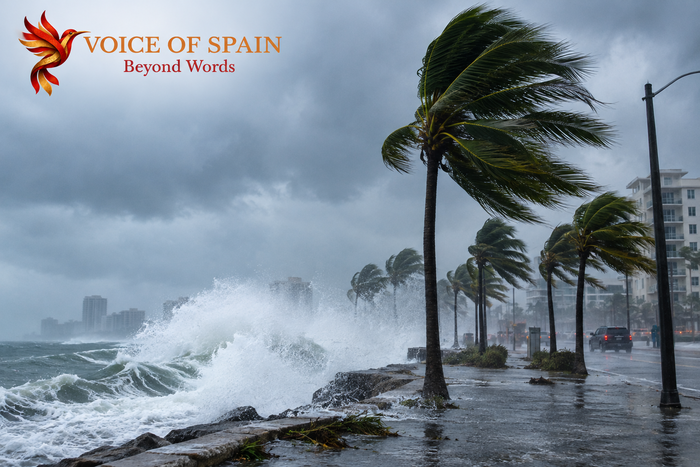
The arrival of Hurricane Isaias has brought renewed attention to the vulnerability of coastal communities in the southeastern United States during the Atlantic hurricane season. Florida’s Gulf Coast is exposed to several hazards during powerful tropical storms, including rising sea levels along the shoreline, damaging winds, intense rainfall and disruptions to essential infrastructure.
According to the National Hurricane Center, Isaias made landfall near Destin, Florida, at approximately 8.30 pm Central Daylight Time on 9 October. The storm was carrying maximum sustained winds of around 105 miles per hour, making it a Category 2 hurricane at landfall. Weather observations also recorded powerful wind gusts in coastal areas, demonstrating the severity of conditions experienced by communities near the storm’s path.
The storm’s arrival prompted emergency preparations across parts of Florida and neighbouring states. Authorities have focused on evacuation arrangements, public warnings, emergency response operations and efforts to protect people living in areas vulnerable to coastal flooding.
Hurricanes can cause serious damage even when their strongest winds affect a relatively narrow section of the coastline. Storm surges can push seawater inland, flooding roads, homes and businesses. Heavy rainfall can overwhelm drainage systems, while strong winds can bring down trees, damage buildings and interrupt electricity supplies.
The combination of these hazards makes it difficult for emergency services to reach affected communities. Flooded roads and fallen power lines can restrict access, while continuing severe weather may prevent rescue teams from operating safely in the most dangerous areas.
One of the principal dangers associated with Isaias is the risk of storm surge along the Gulf Coast. The National Hurricane Center warned of potentially life-threatening coastal inundation, with forecasts indicating that water levels could rise substantially above normal tide levels in vulnerable areas.
Storm surge occurs when strong hurricane winds push seawater towards the coast. The resulting rise in water levels can inundate low-lying neighbourhoods, damage coastal roads and threaten buildings situated near beaches, bays and other exposed areas. Even comparatively shallow floodwater can become dangerous when it moves quickly or conceals debris, damaged roads and electrical hazards.
Heavy rainfall presents an additional challenge. Water accumulating on roads and in residential areas can disrupt transport, delay emergency assistance and leave residents temporarily isolated. Where rivers and drainage channels receive more water than they can safely carry, flooding may continue even after a hurricane’s strongest winds begin to weaken.
Residents have been urged to take official warnings seriously and avoid entering flooded roads or coastal areas during dangerous conditions. Emergency authorities typically advise people to follow evacuation instructions, keep essential supplies available and avoid unnecessary travel until conditions improve.
The effects of a hurricane can continue long after the centre of the storm has moved inland. Damaged drainage systems, blocked roads and disrupted electricity networks can complicate recovery operations and increase the time required to restore normal services.
The hurricane has also caused substantial disruption to electricity supplies. Reports from the affected region indicated that hundreds of thousands of customers in Florida and Alabama experienced power outages as the storm brought down trees and power lines and damaged local infrastructure.
Power interruptions can affect much more than household lighting. Hospitals, communications networks, water systems, businesses and emergency facilities may depend on electricity to maintain essential services. Where backup systems are available, they can help keep critical operations running, but prolonged outages can create additional pressure on local authorities.
Utility companies must wait until conditions are sufficiently safe before sending repair crews into damaged areas. Workers may need to remove fallen trees, replace damaged equipment and inspect power lines before restoring electricity. These operations can take considerable time where damage is widespread.
Transport networks also face disruption during severe storms. Flooded roads and debris can prevent vehicles from reaching homes, shops and public facilities. Airports and other transport operators may have to adjust their operations in response to weather warnings and safety requirements.
For businesses, even a short interruption can result in lost revenue, damaged stock and delays in deliveries. Smaller firms may be particularly vulnerable if they lack insurance coverage or the financial resources needed to reopen quickly.
Authorities across the affected region have been coordinating emergency measures to respond to the storm. Florida’s emergency preparations have included the deployment of personnel and the use of public warnings to communicate the risks associated with strong winds, flooding and storm surge. Reports indicated that the Florida National Guard mobilised thousands of personnel to support response and recovery efforts.
Emergency operations during a hurricane typically involve several stages. Before landfall, officials issue warnings, organise evacuations where necessary and prepare shelters and rescue teams. During the storm, the priority is to protect lives, respond to urgent emergencies and communicate changing conditions. Once the weather begins to improve, teams can assess damage, clear roads and restore essential services.
Residents may face difficult decisions when considering whether to leave their homes. However, officials emphasise that people in evacuation zones should follow local instructions rather than wait until roads become impassable. Travelling during severe conditions can expose drivers to flooded streets, falling debris and rapidly changing weather.
Families can also reduce risks by keeping drinking water, essential medicines, charged mobile devices, torches and emergency supplies available. Checking on vulnerable neighbours and ensuring that emergency communications remain accessible can be especially important during prolonged disruptions.
Authorities must also consider the needs of older residents, people with disabilities and individuals who require medical assistance. Effective evacuation and shelter arrangements depend on coordination between emergency services, healthcare providers, local government and community organisations.
Although Isaias made landfall in Florida, the storm’s effects are not limited to the immediate coastline. As a hurricane moves inland, it can continue to produce heavy rainfall and dangerous weather across a much wider area.
Forecasts indicated that Isaias could bring additional rainfall, flooding and the possibility of tornadoes across parts of the southeastern United States as it moves away from the Gulf Coast. The system was expected to weaken as it travelled inland, although weakening wind speeds do not automatically eliminate the risk of flooding or other dangerous conditions.
The progression of the storm highlights the importance of monitoring official forecasts rather than relying solely on its category at landfall. A hurricane’s category measures its sustained wind speeds, but it does not fully describe every potential impact. Rainfall totals, storm surge, local geography and the condition of drainage systems all influence the level of danger experienced by individual communities.
The event also raises questions about long-term preparedness. Coastal communities must balance economic development and population growth with the need to maintain effective evacuation routes, resilient infrastructure and reliable emergency communications.
The financial consequences of a major hurricane can extend across several sectors of the economy. Property damage, business closures, transport disruption and the cost of emergency operations can place significant demands on local and state budgets.
Insurance companies may face a large volume of claims involving damaged homes, vehicles and commercial properties. However, the availability and extent of coverage vary, and some households may face substantial expenses that are not fully reimbursed.
Local businesses can also experience prolonged disruption when electricity, transport and supply chains are affected. Restaurants, shops, hotels and other service providers may lose customers during evacuation periods and may require repairs before they can resume normal operations.
Public authorities must meanwhile consider the cost of debris removal, infrastructure repairs, temporary accommodation and assistance for displaced residents. Recovery can become more complicated when several communities experience damage simultaneously and compete for limited repair resources.
VoS STRATEGIC INSIGHT
Hurricane Isaias demonstrates why effective disaster preparedness must extend beyond predicting a storm’s path. Forecasting is essential, but the scale of the damage also depends on evacuation planning, infrastructure resilience, public communication and the speed of emergency response.
For local authorities, the immediate priority is protecting lives and ensuring that residents receive reliable information about flooding, evacuation requirements and access to emergency assistance. In the longer term, the storm reinforces the importance of investing in drainage systems, resilient electricity networks, safer construction and accessible emergency shelters.
For households and businesses, preparation can reduce avoidable losses. Emergency supplies, clear evacuation plans and an understanding of insurance coverage can help people respond more effectively when normal services are interrupted.
The hurricane also illustrates how weather emergencies can become economic and social crises. Damage to homes, disruption to employment and interruptions to essential services can affect communities long after the most severe weather has passed.
Ultimately, recovery will depend on the extent of the damage, the effectiveness of emergency operations and the resources available to affected communities. The experience of Florida and neighbouring states will provide further lessons about preparing for powerful storms and strengthening resilience along the US Gulf Coast.
Source: US National Hurricane Center | Associated Press | The Washington Post