
World
 Back to home
.png)
.png)
.png)
.png)
.png)
.png)
.png)
.png)
US and Iran Exchange Military Strikes as Peace Negotiations Stall Over Hormuz Corridor Control
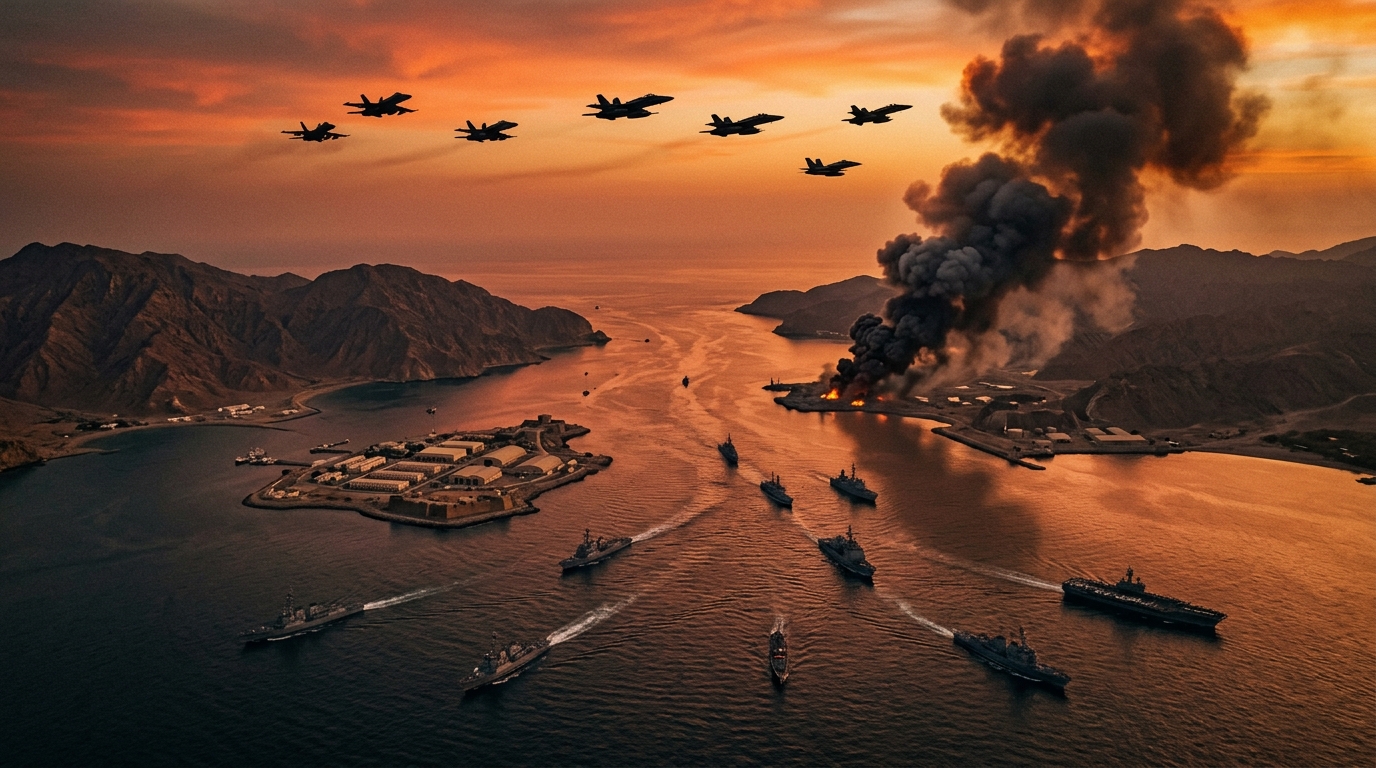
Escalating military tensions between the United States and Iran have derailed fragile peace negotiations as both nations conducted significant strikes within hours of each other. The U.S. military announced it conducted "self-defense strikes" targeting Iranian radar and drone command sites on Goruk and Qeshm Island over the weekend, claiming the action was a proportional response to what Washington characterized as "aggressive" Iranian military activities. In retaliation, Iran launched a coordinated missile and drone attack on U.S. military installations, with air defense systems in Kuwait—home to a major American military base—intercepting multiple incoming projectiles as sirens sounded across the country. The tit-for-tat military exchanges underscore the fragility of ceasefire arrangements and the persistent disagreements between Washington and Tehran over critical issues including control of the Strait of Hormuz and uranium enrichment protocols.
The renewed military confrontation has effectively stalled indirect negotiations mediated through intermediaries, with both sides digging in on non-negotiable demands. Trump administration officials have reportedly proposed revised frameworks extending current ceasefires by 60 days while addressing American concerns about unrestricted navigation through the Strait of Hormuz and the removal of highly enriched uranium from Iranian facilities. However, Iranian officials have signaled resistance to what they view as unilateral American demands that fail to address their security concerns and economic sanctions relief. The escalation threatens to unravel months of delicate diplomatic groundwork and raises the specter of a broader regional conflict involving Israel, Saudi Arabia, and other Gulf allies aligned with Washington.
Enjoyed this article?
Subscribe to get exclusive news and daily updates delivered to your inbox.
Related News
Europe Battles Record-Breaking Wildfires as Thousands Evacua...
United States Launches New Round of Airstrikes as Iran Tensi...
Top Diplomats Gather in Manila for High-Level ASEAN Security...
NASA's Perseverance Rover Completes a Marathon Distance on M...
Hungary Launches Major Investigation with Raids on Oppositio...
France Approves Landmark Social Media Restrictions for Child...
Annu Kapoor Questions Shah Rukh Khan's 'Last Superstar' Rema...