VoS NEWS DESK | INTERNATIONAL ENVIRONMENT & CLIMATE POLICY | 1 NOVEMBER 2026
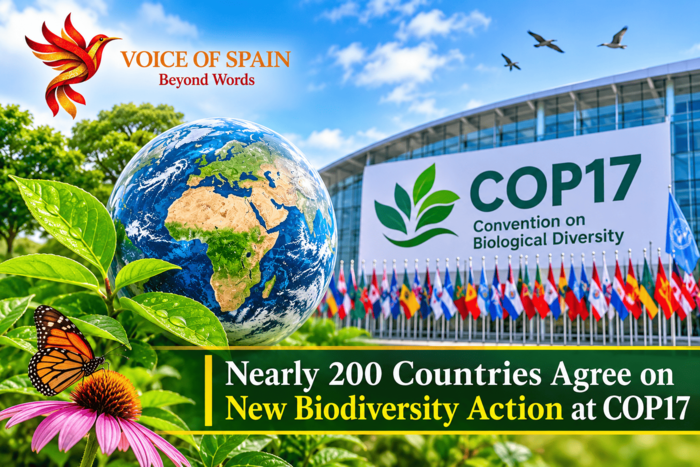
The COP17 conference took place from 19 to 30 October in Yerevan, Armenia, under the framework of the Convention on Biological Diversity. Its central purpose was to examine how effectively countries are implementing the Kunming-Montreal Global Biodiversity Framework, which was adopted in 2022 and established a global strategy for protecting ecosystems and reversing nature loss by the end of the decade. The framework contains 23 targets covering a wide range of environmental priorities. These include protecting at least 30 per cent of the world's land and oceans by 2030, restoring degraded ecosystems, reducing pollution, controlling invasive species, protecting threatened wildlife and mobilising greater financial resources for biodiversity conservation.
One of the most important outcomes of COP17 was the completion of the first global review of collective progress towards these commitments. The assessment was based on national reports, updated biodiversity strategies, scientific evaluations and information provided by governments and other stakeholders. It was intended to determine whether international efforts were moving towards the 2030 objectives and to identify areas requiring urgent improvement. The findings presented a mixed picture. Nearly 90 per cent of countries had established national biodiversity targets, while close to 60 per cent had developed national biodiversity strategies and action plans. More than 70 per cent had also submitted national reports. Nevertheless, fewer than half of the national targets assessed were considered on track. The review warned that the international community would fail to achieve its principal 2030 ambitions unless implementation accelerated rapidly.
The protection of land and marine ecosystems remained another major priority. Forests, wetlands, rivers, coastal areas and oceans are essential for maintaining ecological balance, supporting agriculture and protecting communities from environmental disasters. However, habitat destruction, pollution, unsustainable land use and the exploitation of natural resources continue to place enormous pressure on biodiversity. Financial support for developing countries emerged as one of the most difficult subjects during negotiations. Many developing nations argued that they cannot meet ambitious conservation targets without predictable funding, technology transfer and technical assistance from wealthier countries. They stressed that nations with limited financial resources often possess some of the world's most important natural ecosystems but face considerable difficulties in protecting them.
The global review also highlighted a major shortfall in international biodiversity financing. Developed countries failed to meet the commitment to mobilise at least $20 billion annually by 2025 for nature conservation. Delegates also raised concerns about declining development assistance and a reported 27 per cent reduction in environmental funding for the 2026–2030 period. Negotiations over future financing arrangements exposed disagreements about who should contribute and how resources should be distributed. Some countries supported expanding the number of contributors, including emerging economies, while others argued that developed nations must fulfil their existing financial responsibilities. These differences demonstrated how economic interests and historical responsibilities continue to influence international environmental negotiations.
Another important issue was the need to reform financial incentives that contribute to environmental destruction. Governments were encouraged to accelerate action on harmful subsidies and redirect support towards activities that protect ecosystems. Campaigners argued that public money should not continue to encourage unsustainable agricultural practices, habitat destruction or activities that damage marine environments. COP17 also addressed the relationship between biodiversity loss and climate change. Both crises are closely connected, as rising temperatures, changing rainfall patterns, wildfires, melting glaciers and extreme weather events can damage ecosystems and threaten wildlife. Delegates discussed voluntary guidance for expanding nature-based solutions, although disagreements remained over the language and level of ambition required for stronger action.
The conference further emphasised the importance of scientific research, reliable environmental information and effective monitoring systems. Without accurate data, governments cannot properly assess the condition of ecosystems or determine whether their conservation programmes are producing meaningful results. Despite the progress achieved, environmental organisations expressed concern that the final decisions did not provide sufficiently clear practical measures to close the implementation gap. The Wildlife Conservation Society described the outcome as a clearer picture of the biodiversity crisis but warned that the level of ambition remained inadequate.
The Yerevan discussions have therefore placed governments under greater pressure to translate international commitments into practical national policies. The coming years will be critical in determining whether countries can move beyond declarations and achieve measurable improvements in the protection of the natural world.
VoS STRATEGIC INSIGHT
The outcome of COP17 highlights a fundamental problem in international environmental diplomacy: governments are increasingly capable of agreeing on ambitious targets, but converting those targets into measurable results remains considerably more difficult. The global biodiversity crisis requires more than conference declarations and policy documents. It demands long-term financial commitments, stronger environmental laws, effective monitoring and cooperation across national borders. The findings are particularly significant because biodiversity is directly connected to economic security and human well-being. Forests regulate climate conditions, wetlands reduce the impact of flooding, oceans support food supplies and healthy ecosystems contribute to agriculture, medicine and access to clean water. Their destruction can therefore create serious economic and social consequences, particularly for communities that depend directly on natural resources.
The financial disagreement at COP17 also demonstrates the unequal challenges faced by developed and developing countries. Many developing nations are expected to protect extensive forests, coastlines and wildlife habitats while simultaneously addressing poverty, infrastructure requirements and economic development. Without reliable international assistance, these responsibilities may become increasingly difficult to fulfil. Another important lesson is that environmental protection cannot remain the responsibility of conservation departments alone. Governments must integrate biodiversity objectives into agriculture, energy, transport, construction, trade and financial planning. Businesses and financial institutions must also be encouraged to identify and reduce the environmental damage associated with their activities.
The 2030 deadline is approaching, leaving countries with limited time to demonstrate meaningful progress. Governments must now prioritise the restoration of damaged ecosystems, the expansion of protected areas, the reduction of harmful subsidies and the enforcement of environmental regulations.
COP17 has established an important assessment of where the international community stands, but the real test will begin after delegates return home. If governments fail to respond to the warnings presented in Yerevan, the consequences could extend far beyond the loss of endangered species, threatening food security, economic resilience and the environmental stability of future generations.