VoS NEWS DESK | INTERNATIONAL | 20 August 2026
A new generation of personalised cancer treatment has taken a major step forward after Moderna and Merck announced encouraging results from a late-stage clinical trial of an mRNA-based vaccine designed to target melanoma.
The experimental vaccine, known as intismeran, was tested in combination with Merck's widely used immunotherapy Keytruda. The treatment was designed to train a patient's immune system to recognise mutations specific to their tumour and attack cancer cells more precisely.
The trial involved 1,137 patients with high-risk melanoma ranging from stage IIB to stage IV whose tumours had been surgically removed. Researchers found that the combination of the personalised vaccine and Keytruda reduced the risk of melanoma recurrence and spread compared with Keytruda alone.
The results represent a major development for the rapidly growing field of mRNA cancer vaccines. Unlike traditional cancer treatments that may affect both healthy and cancerous cells, personalised vaccines are designed around the genetic characteristics of an individual patient's tumour.
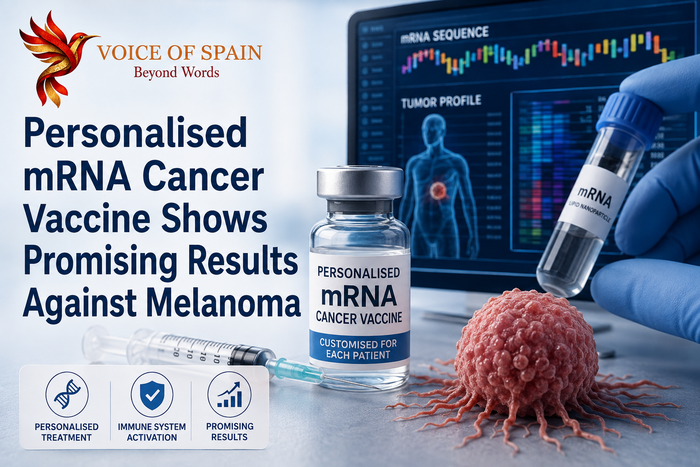
The approach works by identifying mutations within a patient's cancer and using that information to create a customised vaccine. Once administered, the vaccine aims to stimulate the immune system to recognise those tumour-specific mutations and mount a targeted response.
The latest results also generated an immediate reaction in financial markets. Moderna's shares surged dramatically following the announcement, while Merck's stock also recorded a significant increase. Investors viewed the results as evidence that mRNA technology could have applications far beyond infectious diseases and potentially become an important platform for cancer treatment.
Doctors and cancer researchers have described the development as an important moment for the field. The success of the trial could encourage further investment in personalised cancer vaccines and accelerate research into using similar approaches against other forms of cancer.
Moderna and Merck are already studying the technology in additional cancers, including lung, bladder and kidney cancers. Researchers hope that the same principle could eventually be adapted to target different tumour types and provide more individualised treatment options.
However, the vaccine is not yet an approved standard treatment. Regulators will need to review the full clinical data before deciding whether it can be made widely available. Detailed information on long-term survival, safety, manufacturing and the practical challenges of producing personalised vaccines will remain important considerations.
If approved, the treatment could potentially benefit thousands of melanoma patients who face a high risk of their cancer returning after surgery. The companies have indicated that patients could potentially gain access as early as next year, subject to regulatory decisions.
VoS STRATEGIC INSIGHT
The melanoma vaccine results could mark a turning point for personalised cancer medicine. The success of an mRNA vaccine in combination with an established immunotherapy suggests that genetic information from an individual tumour can be transformed into a targeted treatment designed specifically for that patient.
The wider significance extends beyond melanoma. If similar approaches prove successful in other cancers, personalised mRNA vaccines could become an important part of future oncology, potentially shifting cancer treatment towards therapies designed around the unique genetic characteristics of each patient's tumour.
For now, the results remain promising rather than definitive, and regulatory review and longer-term evidence will be crucial. Nevertheless, the development represents one of the most significant recent advances in the search for more precise and personalised cancer treatments.
Source: Reuters / VoS News Desk