VoS DIPLOMATIC DESK | PAKISTAN–UK RELATIONS | 6 September 2026
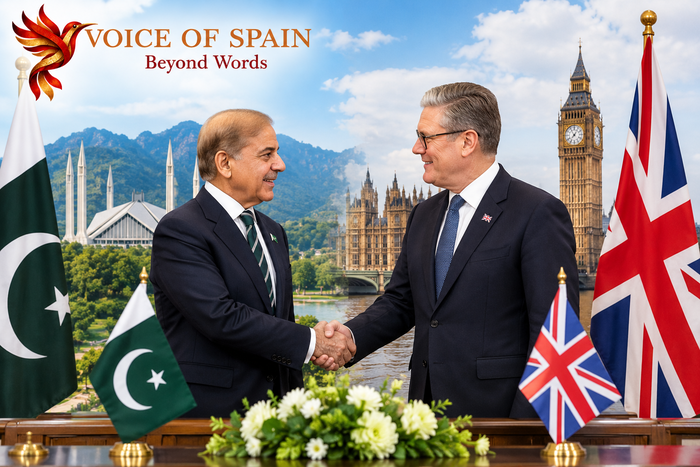
The new mechanism is intended to provide both countries with a more consistent framework for discussing bilateral cooperation, regional developments and international issues. According to Pakistan's Foreign Office, the two sides agreed that regular consultations would allow progress in key areas to be reviewed more systematically while maintaining sustained high-level engagement.
The agreement comes as Britain and Pakistan seek to deepen a longstanding relationship that extends across diplomacy, trade, security, education, migration and extensive people-to-people links. The Pakistani diaspora in Britain was also recognised during the talks as an important bridge between the two countries and a contributor to their enduring bilateral relationship.
The London discussions covered the full spectrum of Pakistan-UK relations, with both sides stressing the importance of closer coordination on matters of mutual interest. The new structured dialogue is expected to give officials a regular platform for assessing existing cooperation while identifying new areas where the two countries can work together.
Regional security was another major element of the meeting. Dar raised Pakistan's concerns about security threats originating from Afghan territory and the activities of militant groups operating from Afghanistan. Islamabad has repeatedly emphasised that developments along its western border have direct implications for Pakistan's internal security and regional stability.
The ministers also discussed the Indus Waters Treaty, one of the most sensitive issues in relations between Pakistan and India. Dar stressed the importance of international law and treaty commitments while presenting Pakistan's concerns regarding what Islamabad describes as India's persistent violations of its international obligations.
The issue has acquired greater diplomatic significance as tensions between India and Pakistan continue to influence wider South Asian security calculations. For Britain, maintaining communication with both countries remains important as London seeks to support regional stability while avoiding direct involvement in bilateral disputes.
The Middle East also featured prominently in the discussions. Dar briefed Miliband on Pakistan's diplomatic and mediation efforts in the region, while the British Foreign Secretary expressed appreciation for what London described as Pakistan's constructive role in promoting dialogue, diplomacy and stability.
The exchange is particularly significant as international efforts continue to address the wider instability surrounding the Middle East. Pakistan has sought to position itself as a diplomatic actor capable of facilitating dialogue between countries involved in regional disputes, while Britain continues to pursue diplomatic engagement alongside its broader security and foreign-policy commitments.
The agreement also follows a period of increased high-level contact between Islamabad and London. During Dar's official visit to Britain, he held meetings with senior British officials, including Foreign Secretary Miliband, FCDO Minister of State Stephen Doughty and National Security Adviser Jonathan Powell. The meetings covered bilateral relations, regional security and cooperation in areas including counter-terrorism and intelligence sharing.
The diplomatic engagement reflects an effort by both governments to move beyond occasional high-level meetings towards a more institutionalised system of consultation. Such a framework could allow emerging disputes and shared challenges to be discussed more quickly while also giving bilateral cooperation greater continuity when political priorities change.
For Pakistan, stronger engagement with Britain carries importance beyond the bilateral relationship. The UK remains an influential diplomatic, economic and security partner, while its large Pakistani-origin population provides extensive social and cultural connections between the two countries.
For Britain, closer engagement with Pakistan offers opportunities to strengthen cooperation on counter-terrorism, regional security, migration, trade and wider South Asian affairs. It also provides London with another diplomatic channel through which it can engage with developments affecting Afghanistan and the broader Middle East.
The new dialogue mechanism is therefore expected to become an important platform for both countries as they navigate an increasingly complex international environment. Regular foreign-ministry consultations could help Islamabad and London coordinate their positions on regional crises while simultaneously advancing practical cooperation in areas of mutual interest.
The two governments have also emphasised the importance of sustained engagement rather than relying solely on individual ministerial visits. The new structure is designed to ensure that progress is regularly reviewed and that bilateral commitments remain active across different areas of cooperation.
VoS DIPLOMATIC INSIGHT
The Pakistan-UK agreement represents an important attempt to give greater structure and continuity to relations between Islamabad and London. With the two countries facing shared concerns over regional security, terrorism, Afghanistan and Middle Eastern instability, the new diplomatic mechanism could provide a regular channel for consultation while strengthening cooperation across a much wider range of bilateral issues.
Sources: Pakistan Ministry of Foreign Affairs, UK Foreign Office reporting, Reuters-linked regional coverage / VoS Diplomatic Desk.