VoS NEWS DESK | INTERNATIONAL DIPLOMACY | 2 NOVEMBER 2026
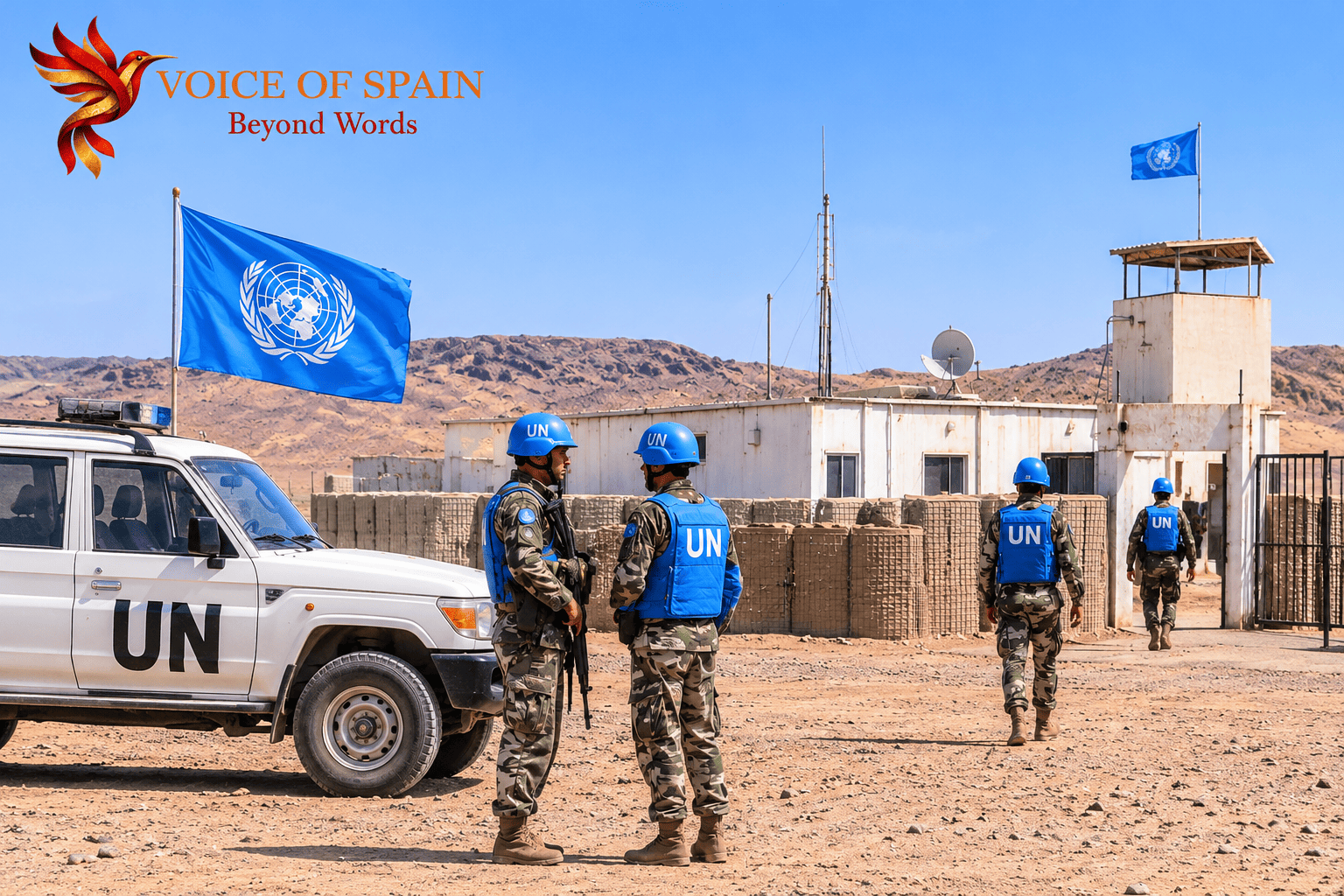
MINURSO was established in 1991 following a ceasefire agreement between Morocco and the Polisario Front. The mission was originally designed to monitor the ceasefire and organise a referendum allowing the people of Western Sahara to decide whether they wanted independence or integration with Morocco. However, disagreements over voter eligibility and the political conditions of the referendum prevented the process from taking place for more than three decades. Western Sahara remains a disputed territory in North Africa. Morocco controls most of the region and supports an autonomy proposal under Moroccan sovereignty, while the Polisario Front seeks independence and argues that the Sahrawi population must be allowed to determine its own political future. Algeria has consistently supported the Polisario Front, making the dispute a wider regional diplomatic issue.
The latest crisis emerged during discussions at the United Nations Security Council on 30 October 2026. The United States introduced a draft resolution that supported Morocco's autonomy proposal as the basis for negotiations and proposed changes to the structure and responsibilities of MINURSO.
Russia strongly opposed the American proposal, arguing that the draft could undermine the established international framework and weaken the principle of Sahrawi self-determination. Moscow subsequently introduced an alternative resolution seeking to extend the existing mission's mandate until October 2027. The American draft received 11 votes in favour but was blocked by Russia's veto. The Russian proposal also failed, receiving only three votes in favour, with 11 abstentions and one negative vote from the United States. Consequently, the Security Council failed to adopt either resolution, leaving MINURSO without a renewed mandate when its existing authority expired on 31 October.
On 1 November, United Nations Secretary-General António Guterres announced that the organisation would begin winding down the mission following the Security Council's failure to reach an agreement. The process marks the end of a 35-year peacekeeping presence, although the practical withdrawal of personnel and equipment will require further administrative arrangements. Morocco welcomed the development, viewing the failure to renew the previous mandate as an important diplomatic shift. The country has continued to promote its autonomy proposal as a realistic framework for resolving the dispute while maintaining Moroccan sovereignty over Western Sahara.
The Polisario Front, however, remains opposed to any settlement that does not provide a credible opportunity for independence. Its representatives have expressed concern that the Security Council's failure to agree on the mission's future could weaken international monitoring and complicate efforts to achieve a lasting political settlement. Algeria has also criticised the American proposal, describing it as excessively favourable to Morocco. The disagreement reflects the wider diplomatic divisions surrounding the territory and demonstrates how competing international interests continue to complicate efforts towards a resolution.
The mission's withdrawal also raises questions about the future monitoring of the ceasefire. MINURSO has played an important role in maintaining international observation despite the absence of a comprehensive political agreement. Its departure could make it more difficult to monitor developments on the ground and maintain confidence between the parties. The situation is particularly significant for North African security. Relations between Morocco and Algeria have remained strained for years, and any deterioration in the Western Sahara dispute could further complicate regional cooperation, border security and diplomatic engagement.
Spain is also closely connected to the issue because Western Sahara was formerly administered as a Spanish colony before Spain withdrew in 1975. The dispute therefore remains relevant to Spanish foreign policy and wider European relations with North African countries. The United Nations now faces the challenge of maintaining diplomatic engagement while managing the withdrawal of the peacekeeping operation. International representatives have emphasised the importance of avoiding renewed hostilities and continuing efforts towards a peaceful and mutually acceptable settlement.
VoS STRATEGIC INSIGHT
The end of MINURSO's mandate represents a significant challenge for international diplomacy. It demonstrates how disagreements between major powers can directly affect peacekeeping operations, particularly when competing political interests prevent the United Nations from reaching a common position. The most important concern is the future of the Sahrawi population. The original referendum was never conducted, leaving the central question of self-determination unresolved. Without an effective international framework, the prospects for a peaceful political settlement could become more complicated.
The development could also intensify tensions between Morocco and Algeria. Both countries have different positions on Western Sahara, and the latest diplomatic confrontation may further weaken opportunities for regional cooperation. For the United Nations, the priority should be ensuring that the withdrawal does not create a security vacuum. Continued negotiations, international engagement and effective communication between the parties will be essential to preventing further instability. Ultimately, ending a peacekeeping mission does not mean ending the conflict. Western Sahara still requires a lasting political settlement that addresses the concerns of the parties involved and provides a credible path towards regional stability.