VoS NEWS DESK | LAW | 22 SEPTEMBER 2026
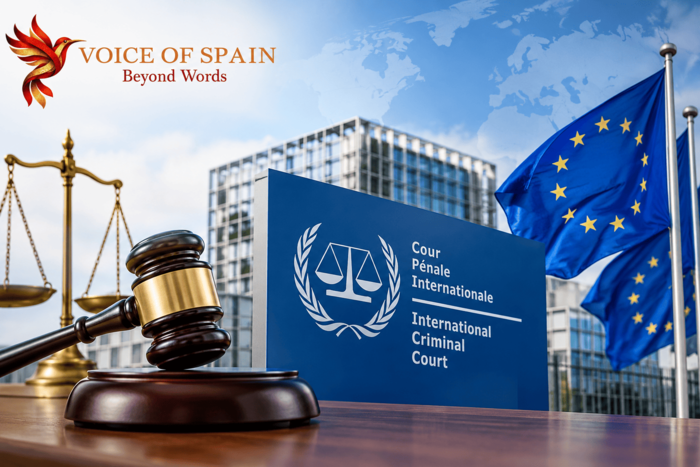
The International Criminal Court, based in The Hague, remains at the centre of an international debate over accountability and the future of international criminal justice. The court is responsible for prosecuting individuals accused of some of the most serious crimes under international law, including genocide, crimes against humanity and war crimes.
The latest discussion follows renewed pressure on the institution and concerns about measures that could affect its ability to operate internationally. Reuters reported on 21 September that the US administration was preparing broad sanctions targeting the ICC, including possible restrictions affecting the court's financial and operational activities.
European officials have expressed support for protecting the court's ability to carry out its judicial functions. EU foreign policy chief Kaja Kallas said the ICC was under “immense pressure” and stressed the importance of protecting international justice institutions.
The issue has wider implications because the ICC depends on cooperation from states for many aspects of its work. This includes access to evidence, enforcement of arrest warrants and the practical ability to conduct investigations and proceedings.
Kallas also highlighted the importance of preserving evidence relating to alleged war crimes in Gaza. The comments came as international attention remains focused on accountability for alleged violations of international humanitarian law in conflict zones.
The pressure on the ICC has also been discussed by current and former officials connected with the court. Reuters reported earlier this month that senior figures associated with the ICC's governing body warned that attempts to isolate the institution could weaken confidence in the wider international legal order.
The debate comes at a time when international courts are dealing with several major disputes. The International Court of Justice (ICJ), which is separate from the ICC, recently concluded public hearings in the case concerning alleged breaches of certain international obligations relating to the Occupied Palestinian Territory, brought by Nicaragua against Germany. The hearings took place from 7 to 10 September 2026.
The distinction between the ICC and ICJ is important. The ICC prosecutes individuals for serious international crimes, whereas the ICJ deals primarily with legal disputes between states and gives advisory opinions on questions referred to it by authorised UN bodies.
International legal institutions therefore continue to have different but connected roles in addressing disputes, accountability and compliance with international law.
The current debate also raises questions about how international justice can function when major powers disagree with individual courts or their decisions. Supporters of the ICC argue that international criminal accountability requires independent judicial institutions, while critics of the court have raised concerns about jurisdiction and the relationship between international courts and national sovereignty.
These competing positions remain part of the broader discussion surrounding the future of international justice.
VoS STRATEGIC INSIGHT
The renewed attention surrounding the ICC highlights the importance of international legal institutions in investigating and addressing allegations of serious crimes. At the same time, the court's ability to function depends significantly on international cooperation and practical support.
The latest developments demonstrate that questions surrounding international justice are not limited to individual cases. They also involve wider issues concerning judicial independence, state cooperation, enforcement of international law and the authority of international institutions.
As governments and international organisations continue to debate the role of the ICC, developments surrounding sanctions, diplomatic support and ongoing investigations are likely to remain significant for the international legal system.
Source: International Criminal Court; International Court of Justice; Reuters; Anadolu Agency.