VoS NEWS DESK | INTERNATIONAL SECURITY | 5 September 2026
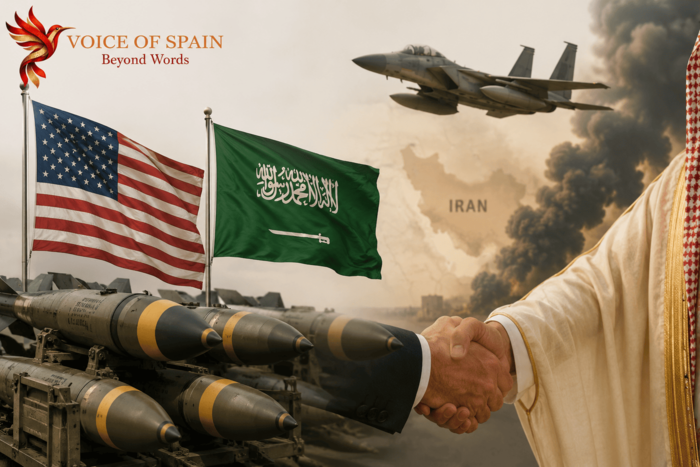
The proposed arms package reflects Washington’s broader effort to reinforce the defensive capabilities of its key Gulf allies as the confrontation with Iran continues to affect security across the region. Saudi Arabia has increasingly found itself exposed to threats linked to the wider conflict, particularly as Iranian attacks and attacks by Iran-aligned groups have targeted locations and infrastructure in the Gulf.
The US decision is also significant because Saudi Arabia remains one of Washington’s most important strategic partners in the Middle East. Cooperation between the two countries extends across defence, intelligence, energy security and regional diplomacy, while Saudi Arabia plays a central role in maintaining stability in the Gulf and protecting vital energy infrastructure.
The latest escalation has already had consequences for international energy markets. The Strait of Hormuz, through which a substantial share of the world's oil supplies normally passes, has become a major focus of the confrontation. Earlier attacks on vessels and threats surrounding shipping have raised concerns about the security of global energy supplies and pushed oil prices sharply higher.
For Riyadh, strengthening its military capabilities is particularly important as the conflict spreads beyond the direct confrontation between Washington and Tehran. Gulf countries have faced missile and drone threats, while Iran has previously targeted US allies in the region. Saudi Arabia therefore views advanced air and missile-defence capabilities as an important element of its national security strategy.
The weapons agreement could nevertheless attract criticism from groups concerned about the expansion of the regional conflict and the continued flow of US arms to Middle Eastern countries. Questions over civilian casualties and the humanitarian consequences of military operations have already intensified following recent strikes in Iran.
Washington argues that supporting its regional partners is necessary to deter further attacks and protect American personnel, commercial shipping and strategic infrastructure. Saudi Arabia, meanwhile, has sought to balance its security relationship with the United States with its wider diplomatic and economic interests in the region.
The announcement also highlights the changing security environment in the Gulf. With tensions surrounding Iran, shipping routes and energy facilities remaining high, governments across the region are reassessing their defence requirements and strengthening military preparedness.
VoS INTERNATIONAL SECURITY INSIGHT
The US-Saudi weapons agreement underlines the strategic importance Washington continues to attach to Riyadh at a time of heightened regional instability. While the sale may strengthen Saudi Arabia's military deterrence, it also demonstrates how the wider Iran conflict is reshaping security calculations across the Gulf. The challenge for regional governments will be to strengthen defence without allowing the current confrontation to develop into an even broader conflict.
Sources: Reuters, AP, US Government / VoS News Desk.