
World
 Back to home
.png)
.png)
.png)
.png)
.png)
.png)
.png)
.png)
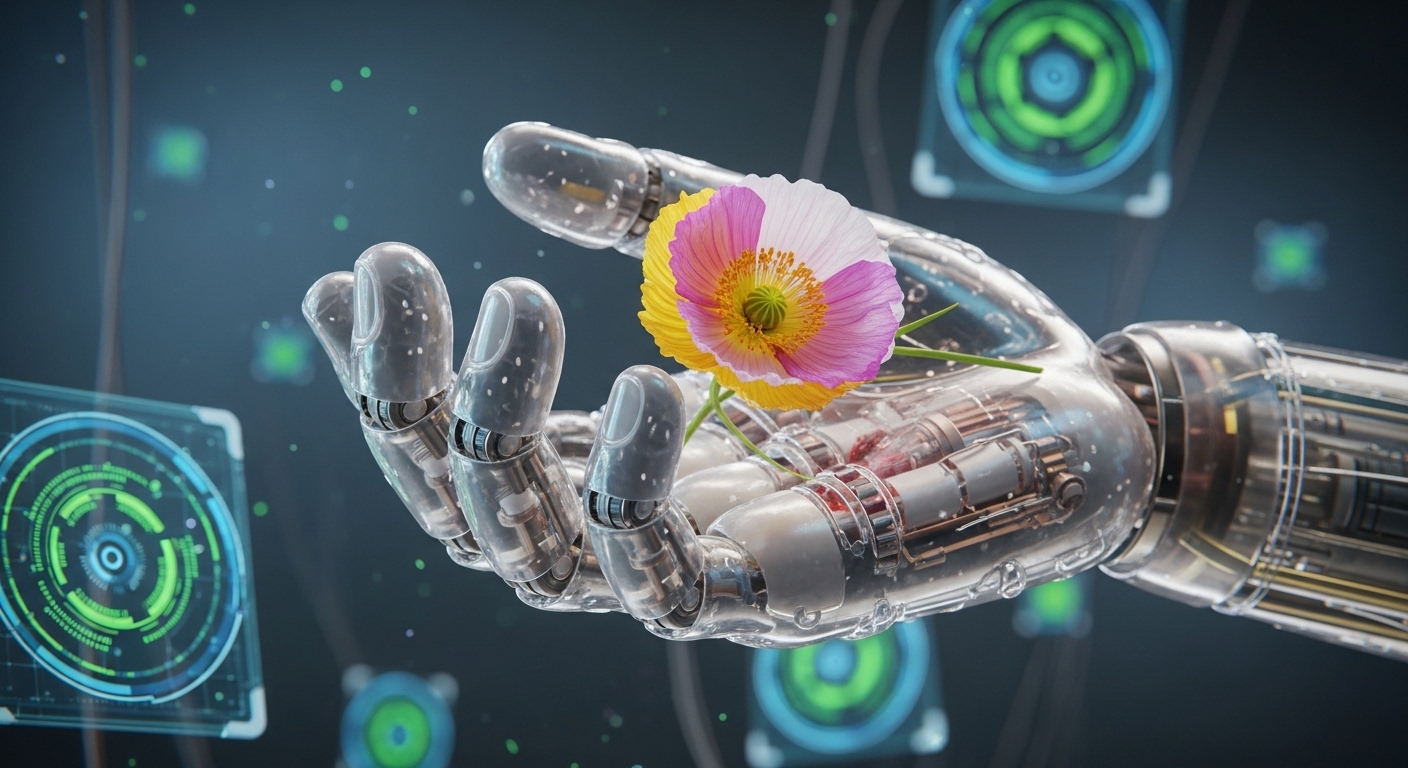
The Global Shift Toward "Soft Robotics" in Healthcare and Personal Assistance
The world of technology is moving away from rigid metal structures toward the era of "soft robotics," which utilizes flexible, bio-inspired materials. These robots are designed to mimic the movements of living organisms like octopuses or caterpillars, allowing them to interact safely with humans in medical settings. From rehabilitative exoskeletons that feel like second skin to micro-robots capable of navigating the human circulatory system for non-invasive surgery, soft robotics is revolutionizing patient care by prioritizing comfort and adaptability over pure mechanical force.
International research consortiums are now focusing on integrating artificial muscles made from conductive polymers that respond to light or electricity. This allows for incredibly precise movements, making these machines ideal for elderly care and delicate laboratory work. The rise of soft robotics is also prompting a new ethical discussion on the boundaries of human-robot interaction, as these machines become more organic in appearance and touch. This technological leap marks a future where machines are no longer seen as tools, but as flexible extensions of human capability, designed to heal and assist in the most delicate ways.
Enjoyed this article?
Subscribe to get exclusive news and daily updates delivered to your inbox.
Related News
Student-Led Bihar Bandh Intensifies Demands for NEET Reforms...
Russia Approves New Law Expanding Restrictions on Citizens L...
Venezuela Announces Withdrawal from the International Crimin...
Thousands Evacuated as Massive Wildfire Sweeps Through South...
U.S. Announces New Tariffs on Trading Partners Over Forced L...
Europe Battles Record-Breaking Wildfires as Thousands Evacua...
United States Launches New Round of Airstrikes as Iran Tensi...