
World
 Back to home
.png)
.png)
.png)
.png)
.png)
.png)
.png)
.png)
Middle East Tensions Escalate as US-Iran Military Exchanges Resume
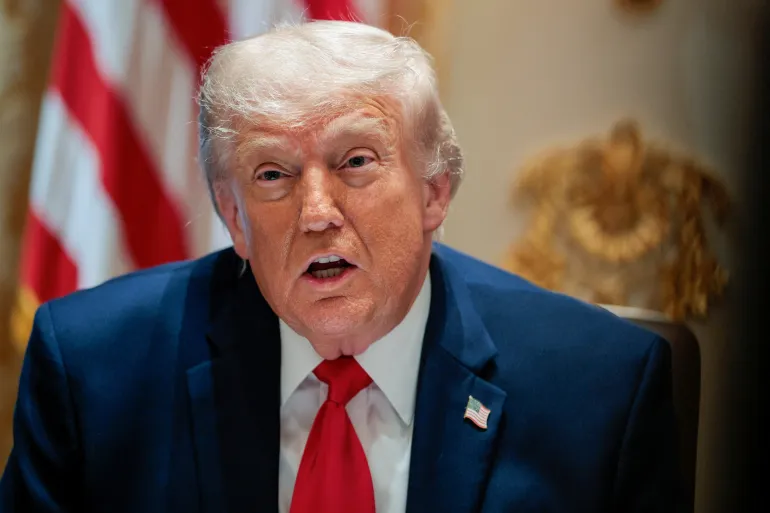
The fragile ceasefire between the United States and Iran has come under severe strain as both nations resumed direct military exchanges on May 28, marking the third significant escalation since the April 8 ceasefire took effect. Iran's Islamic Revolutionary Guard Corps (IRGC) announced it had targeted a U.S. military base in response to American strikes on an Iranian drone operation near the Strait of Hormuz, with the IRGC stating it struck the base at 4:50 a.m. local time following what it characterized as "aggression by the invading US military." Later that day, U.S. military officials reported that Iran had launched a ballistic missile toward Kuwait that was successfully intercepted. These escalations occurred amid President Donald Trump's rejection of reports suggesting a framework agreement was near completion, with Trump dismissing Iranian state media claims of an unofficial draft agreement that would restore commercial shipping through the strait within a month under joint Iran-Oman management. Trump explicitly rejected any arrangement granting a single country control over the waterway, issuing veiled threats toward Oman—a longtime U.S. ally—stating that the country would "behave just like everybody else or we'll have to blow them up." The renewed hostilities underscore the profound disconnect between Washington and Tehran on fundamental issues, with neither side willing to compromise on core demands.
The military escalation reflects deeper diplomatic stalemate over sequencing and substantive issues. Iran has submitted a 14-point proposal demanding a permanent end to hostilities within 30 days, U.S. withdrawal from areas near its borders, lifting of naval blockades, release of frozen assets, war reparations, and a new mechanism governing the Strait of Hormuz—explicitly excluding nuclear issues from immediate negotiations. The United States countered with demands for a 20-year moratorium on uranium enrichment, transfer of Iran's highly enriched uranium stockpile abroad, and dismantling of nuclear facilities at Natanz, Isfahan, and Fordow. Iran rejected the U.S. proposal as "totally unacceptable," reiterating that nuclear enrichment rights are non-negotiable under the Nuclear Non-Proliferation Treaty. Oil prices rebounded sharply following reports of escalation, with U.S. crude futures gaining more than 3 percent, while global stock markets retreated and the dollar strengthened. Analysts warn that the current crisis represents a more dangerous phase than previous cycles of brinkmanship, with the potential for accidental escalation as significant as deliberate military action, given the concentration of military hardware in the region and pervasive mistrust among all parties.
Enjoyed this article?
Subscribe to get exclusive news and daily updates delivered to your inbox.
Related News
US Resumes Immigrant Visa Processing for Hungary and Poland ...
China Opens Xiangshan Defence Forum as Tensions Rise Across ...
Saudi Oil Pipeline Damage Raises Fresh Global Supply Fears a...
Philippine Ferry Disaster Death Toll Rises to 76 as Dozens o...
Sweden Votes in Knife-Edge Election as Far Right Eyes Histor...
Elena Rybakina Wins First US Open Title and Rises to World N...
Houthis Tighten Grip on Red Sea Shipping Corridor as Yemen O...