
World
 Back to home
.png)
.png)
.png)
.png)
.png)
.png)
.png)
.png)
Iran and Israel Agree to Pause Military Strikes; Trump's Mediation Efforts Show Mixed Results
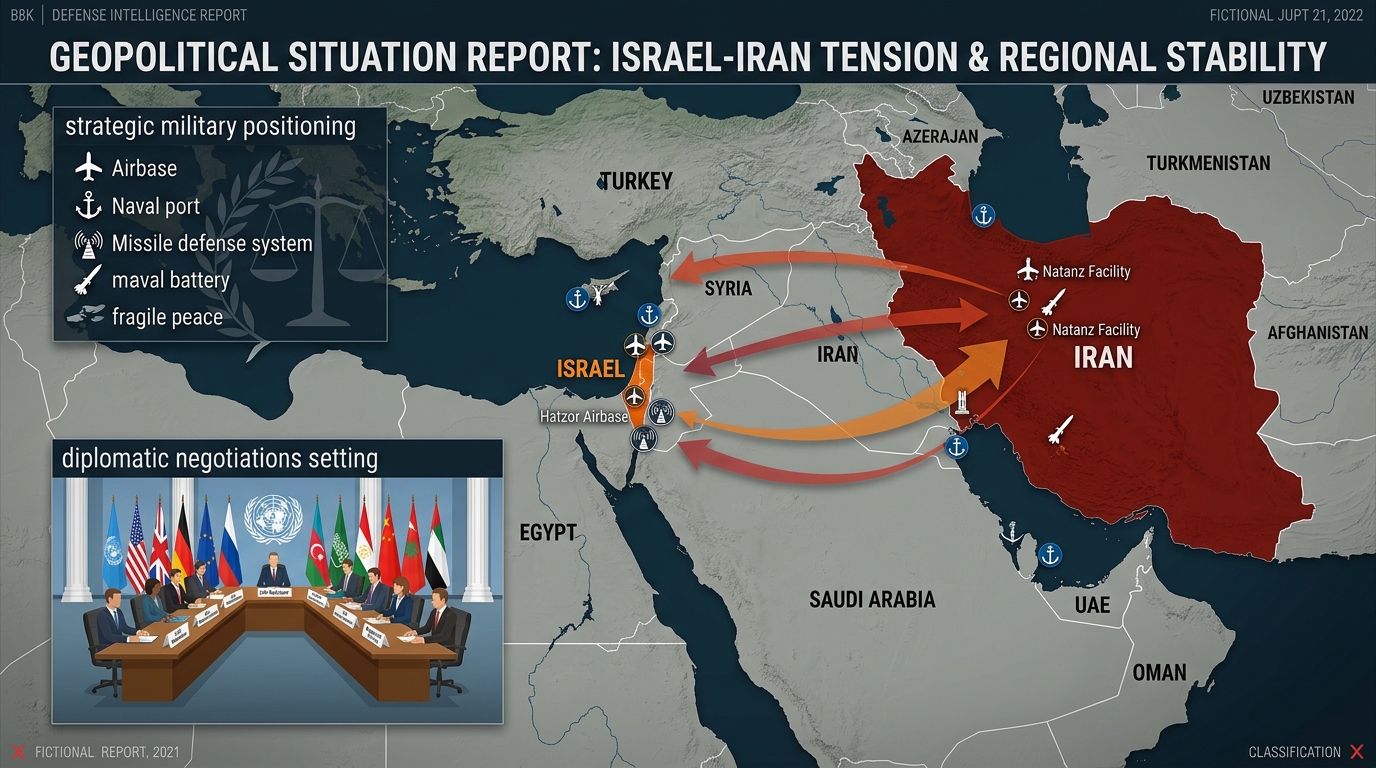
Iran and Israel have announced a mutual pause in military operations following a dramatic escalation that threatened to reignite full-scale conflict in the Middle East. Israeli Prime Minister Benjamin Netanyahu stated that his country is holding fire "at the moment," while Iran's armed forces declared they had halted military action after launching a significant missile bombardment against Israeli targets on June 7. The temporary ceasefire represents a critical de-escalation moment in the fragile peace that has held since April 2026, though both nations have warned of potential retaliation if the other side breaches the agreement. The agreement comes after intense diplomatic pressure from the United States, with President Trump claiming credit for brokering the pause through direct communications with both leaders. However, analysts note that the underlying tensions remain unresolved, with fundamental disputes over nuclear capabilities, regional influence, and territorial issues continuing to drive hostility between the two nations.
The pause in military operations provides a crucial window for diplomatic negotiations aimed at achieving a more permanent resolution to the Iran-Israel conflict. International mediators, including representatives from Qatar and Pakistan, are intensifying efforts to establish a comprehensive peace framework that addresses the core grievances of both parties. The temporary ceasefire demonstrates the precarious nature of Middle East stability, where military escalation can occur rapidly despite diplomatic progress. Trump's role in mediating the pause has generated debate about American foreign policy effectiveness, with supporters crediting his direct engagement while critics question whether his approach addresses underlying causes of conflict. The agreement includes implicit warnings that any violation will trigger immediate military response, creating a tense standoff where both sides maintain military readiness while nominally observing the ceasefire. Regional observers emphasize that sustained peace requires addressing fundamental issues including nuclear proliferation, proxy warfare, and competing claims to regional hegemony.
Enjoyed this article?
Subscribe to get exclusive news and daily updates delivered to your inbox.
Related News
Student-Led Bihar Bandh Intensifies Demands for NEET Reforms...
Russia Approves New Law Expanding Restrictions on Citizens L...
Venezuela Announces Withdrawal from the International Crimin...
Thousands Evacuated as Massive Wildfire Sweeps Through South...
U.S. Announces New Tariffs on Trading Partners Over Forced L...
Europe Battles Record-Breaking Wildfires as Thousands Evacua...
United States Launches New Round of Airstrikes as Iran Tensi...