Pakistan
 Back to home




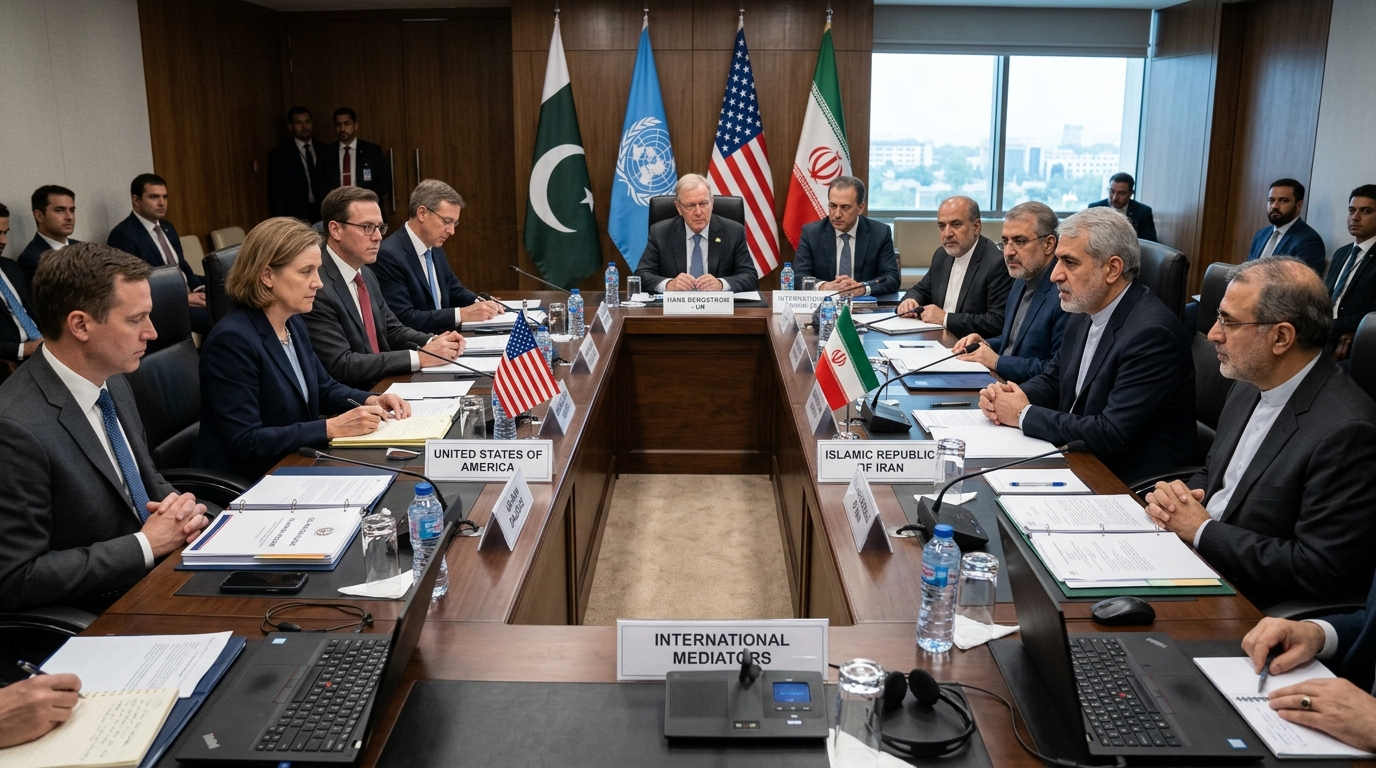
Pakistan Carries Revised Iranian Peace Formula to Washington as Mediation Window Narrows
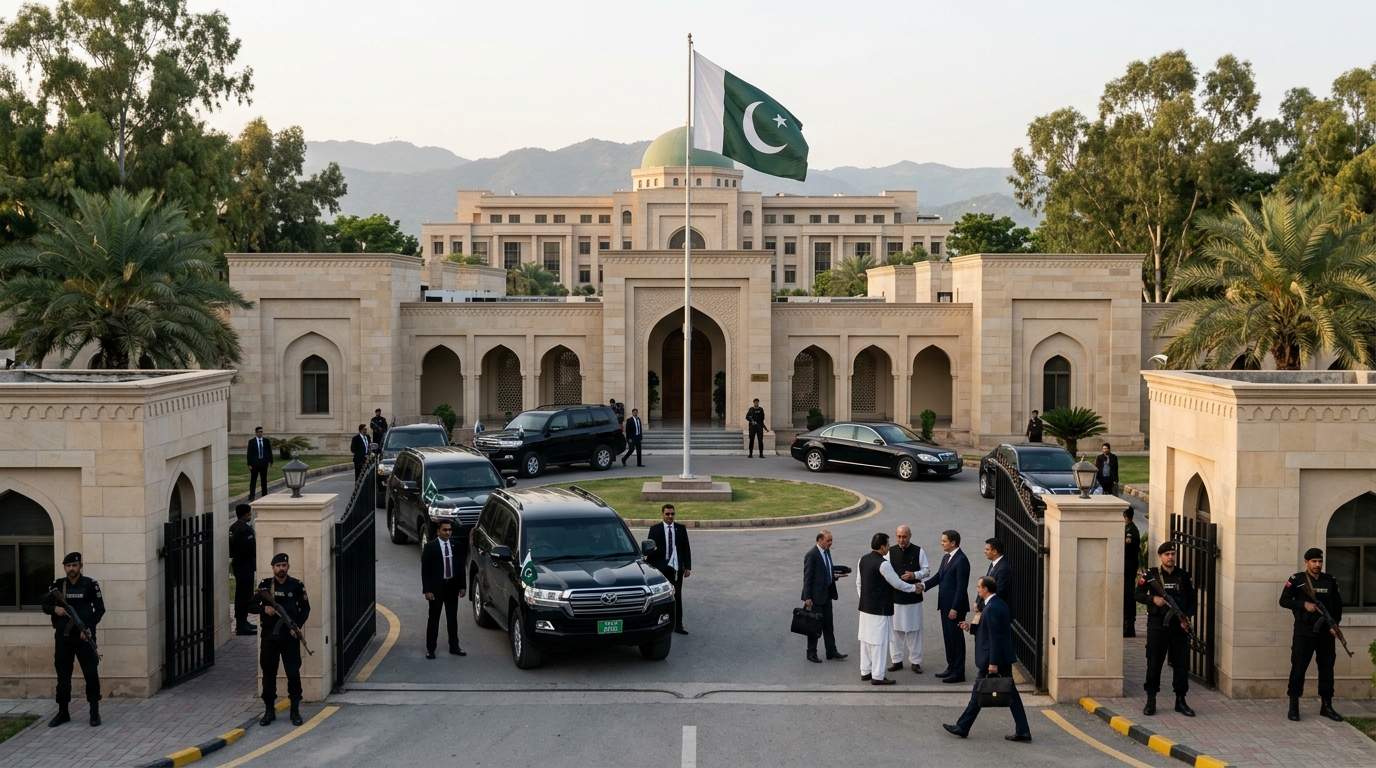
Pakistan stepped deeper into a high-stakes diplomatic role on Monday by delivering a revised Iranian proposal to the United States aimed at ending the widening Middle East war, according to Reuters. The development places Islamabad at the center of one of the most sensitive mediation efforts now underway, with Pakistani interlocutors warning that time is rapidly running short to bridge the remaining divides. The fresh message from Tehran reportedly reflects ongoing attempts to reshape terms that could make renewed dialogue politically and militarily viable after weeks of escalation. Pakistan’s involvement is especially notable because it suggests that, despite hardening rhetoric across the region, at least some channels between the opposing sides remain open and active. The proposal was transmitted as fears continue to mount over the broader consequences of the conflict, including pressure on energy routes, financial volatility and the possibility of a deeper regional confrontation. By serving as the courier for Iran’s updated position, Pakistan is signaling both diplomatic utility and regional relevance, trying to preserve a narrow off-ramp at a moment when battlefield and strategic calculations could still overwhelm negotiations.
The mediation effort also highlights Pakistan’s increasingly delicate balancing act in foreign policy. It must manage ties with Washington, relations with Tehran and the wider expectations of Muslim-majority states, all while avoiding direct entanglement in the conflict itself. Reuters reported that a Pakistani source described the situation as urgent, indicating that the gap between the parties remains serious even after the revised proposal was passed on. That urgency matters because every delay raises the risk that military events, rather than diplomats, will set the next phase of the crisis. For Islamabad, the current moment offers both opportunity and hazard: success would strengthen its standing as a credible intermediary, but failure could expose the limits of its leverage. The move also reflects a broader truth about contemporary diplomacy in South and West Asia: middle powers are increasingly being called upon to keep communication alive when principal actors cannot engage directly. Whether the Iranian revisions are substantial enough to shift Washington’s calculations remains unclear, but Pakistan’s role confirms that back-channel diplomacy has not collapsed. At the very least, the handoff shows that there is still a contest between escalation and negotiation, and that Pakistan is trying to ensure the latter is not extinguished before a settlement can be tested.
Enjoyed this article?
Subscribe to get exclusive news and daily updates delivered to your inbox.
Related News
Six Lives Lost in Mid-Air Collision Over Rio de Janeiro; Ame...
Historic Ceasefire Breakthrough: Washington and Tehran End M...
Pakistan Plays Crucial Mediation Role in US-Iran Peace Negot...
US and India Navigate Trade Negotiations at G7 Summit
Australian Authorities Review Drone Restrictions Following S...
New York Knicks Capture Historic NBA Championship After 53-Y...
China Hosts Forum on Global Human Rights Governance; 400+ Pa...