

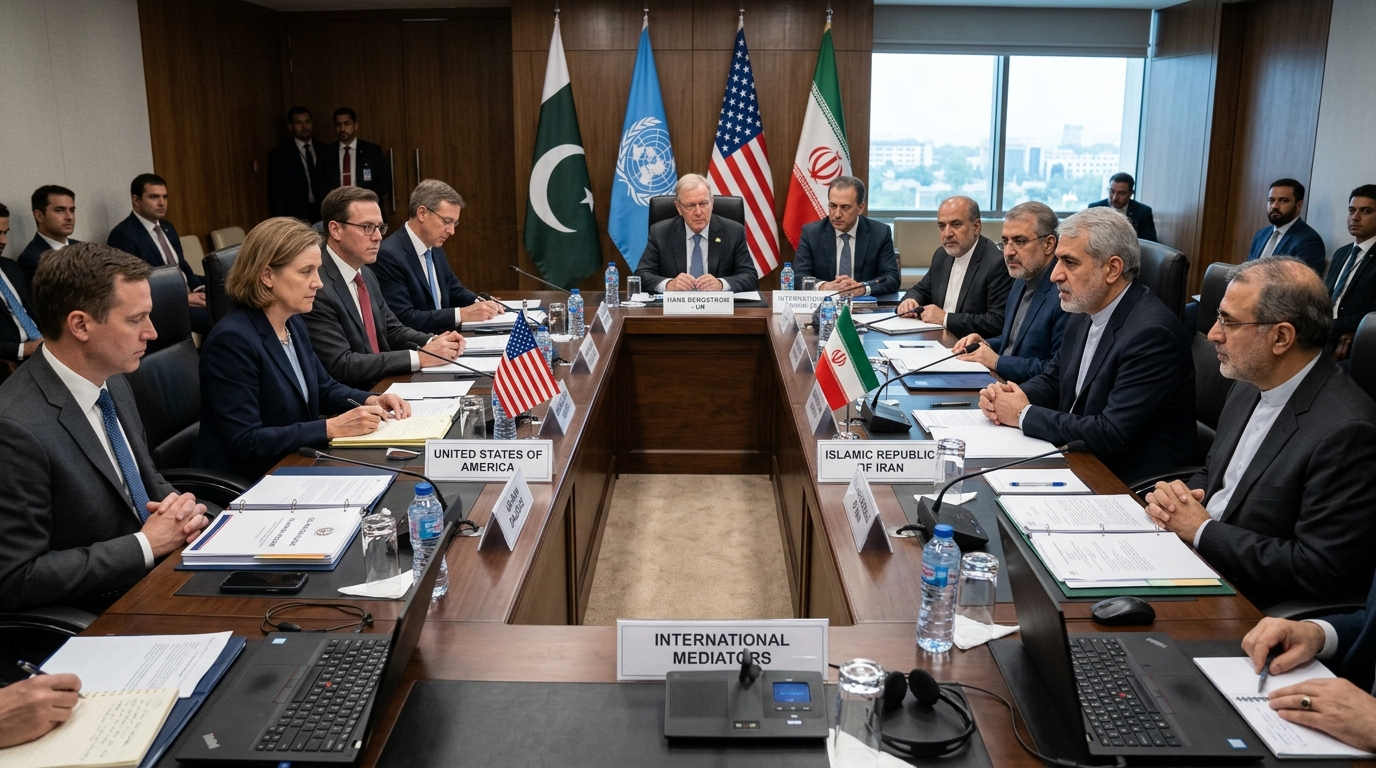
After months of devastating military confrontation that claimed thousands of lives and destabilized global energy markets, the United States and Iran have reached a preliminary framework agreement to cease all hostilities and restore critical shipping lanes. The memorandum of understanding, brokered with crucial mediation from Pakistan, represents the most significant diplomatic breakthrough in the region since the conflict erupted in February following coordinated strikes by American and Israeli forces on Iranian targets. The accord encompasses an immediate and permanent termination of military operations across all theaters, including the volatile Lebanon front where Israeli and Hezbollah forces have engaged in sustained combat. While the precise implementation details remain under wraps, the announcement has already triggered substantial market reactions, with Brent crude futures plummeting 4% as traders anticipate the reopening of the Strait of Hormuz—a vital waterway that Iran had effectively blockaded for months, creating severe disruptions to global petroleum supplies and driving energy prices to unprecedented levels.
The agreement, scheduled for formal signing on Friday in Switzerland, leaves several critical issues unresolved for future negotiations during a designated 60-day ceasefire period. Most significantly, the fate of Iran's nuclear enrichment program remains a contentious matter, with Western powers demanding verifiable dismantling of Tehran's uranium stockpile while Iranian officials insist on maintaining domestic dilution capabilities. The preliminary accord also addresses sanctions relief, with reports indicating the United States may release approximately $25 billion in frozen Iranian assets contingent upon Tehran's compliance with agreed-upon conditions. International leaders, including British Prime Minister Keir Starmer and European counterparts, have expressed cautious optimism while emphasizing that Iran must never acquire nuclear weapons. The agreement has become a political asset for President Trump domestically, addressing widespread American frustration over elevated gasoline prices ahead of midterm elections, though hawkish Republican senators have signaled they will scrutinize the nuclear negotiations closely. Israeli officials have notably remained silent on the accord, having pursued independent military objectives in Lebanon despite American pressure for restraint, highlighting the complex geopolitical dynamics that continue to shape Middle Eastern stability.



.webp)