
World
 Back to home
.png)
.png)
.png)
.png)
.png)
.png)
.png)
.png)
New Delhi Orders State Financial Institutions to Cut Spending and Accelerate EV Transition
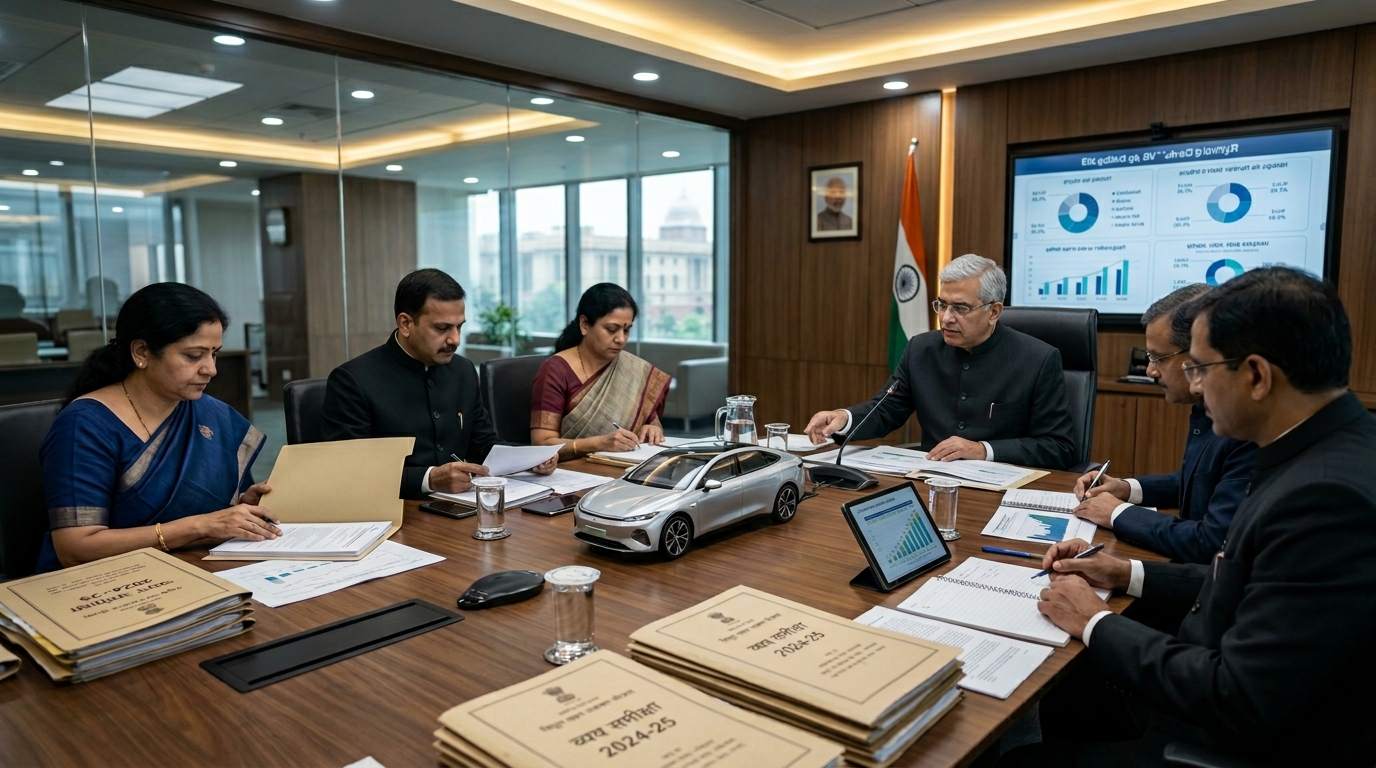
India’s finance ministry has instructed state-run banks, insurers and other financial institutions to tighten expenditure and move gradually toward electric vehicles, according to an order reviewed by Reuters. The directive presents cost control and operational discipline as immediate priorities at a time when higher energy prices and broader uncertainty are weighing on the economy. Among the measures outlined are restrictions on travel and other spending categories that governments often target when signaling fiscal seriousness without announcing sweeping structural cuts. The electric vehicle requirement also gives the order a dual purpose: it is not only about trimming recurring transport costs over time, but also about aligning public-sector institutions with a longer-term policy orientation toward cleaner mobility. Because these institutions reach deeply into India’s economic system, the move carries symbolic and practical importance. It suggests that New Delhi wants publicly controlled financial entities to act as examples of efficiency, restraint and policy compliance, particularly during a period of international volatility and domestic pressure on public finances. Reuters’ reporting indicates that the government is seeking measurable administrative change rather than broad rhetorical commitment, which means the order could influence procurement, internal budgeting and fleet decisions across a large number of organizations.
The directive may also reveal how the government is attempting to shape expectations in a difficult macroeconomic environment. Public-sector banks and insurers are not just service providers; they are extensions of state economic management and often become instruments for signaling policy mood. By ordering them to reduce discretionary costs while shifting toward electric mobility, the ministry is framing prudence and modernization as complementary goals rather than competing ones. That message could matter for investors and markets watching how India responds to imported inflation risks, especially as energy disruptions elsewhere continue to affect currencies and budgets across Asia. At the institutional level, implementation will likely vary, since some entities may be better positioned than others to absorb the upfront cost and infrastructure demands of EV adoption. Yet even uneven execution would mark a notable attempt to standardize behavior across the public financial ecosystem. The order also carries a political dimension: cost discipline in government-linked institutions is often easier to defend publicly when accompanied by a modernization narrative. If followed closely, the measures could reshape how these organizations travel, procure vehicles and manage administrative overhead in the coming quarters. More broadly, the move underscores New Delhi’s effort to project control, efficiency and policy coherence at a moment when external shocks are testing economic resilience.
Enjoyed this article?
Subscribe to get exclusive news and daily updates delivered to your inbox.
Related News
US Resumes Immigrant Visa Processing for Hungary and Poland ...
China Opens Xiangshan Defence Forum as Tensions Rise Across ...
Saudi Oil Pipeline Damage Raises Fresh Global Supply Fears a...
Philippine Ferry Disaster Death Toll Rises to 76 as Dozens o...
Sweden Votes in Knife-Edge Election as Far Right Eyes Histor...
Elena Rybakina Wins First US Open Title and Rises to World N...
Houthis Tighten Grip on Red Sea Shipping Corridor as Yemen O...